

/
-
A Lifestyle of Diverse Styles—
Zhongshan-Neihu LineZhongshan District boasts unique shops and art spaces, creating a vibrant, bohemian vibe. Neihu, with its lake views and mountain scenery, thrives while maintaining lively energy, blending both areas harmoniously.
-
A Lifestyle of Diverse Styles—
Zhongshan-Neihu LineZhongshan District boasts unique shops and art spaces, creating a vibrant, bohemian vibe. Neihu, with its lake views and mountain scenery, thrives while maintaining lively energy, blending both areas harmoniously.
-
A Lifestyle of Diverse Styles—
Zhongshan-Neihu LineZhongshan District boasts unique shops and art spaces, creating a vibrant, bohemian vibe. Neihu, with its lake views and mountain scenery, thrives while maintaining lively energy, blending both areas harmoniously.
-
A Lifestyle of Diverse Styles—
Zhongshan-Neihu LineZhongshan District boasts unique shops and art spaces, creating a vibrant, bohemian vibe. Neihu, with its lake views and mountain scenery, thrives while maintaining lively energy, blending both areas harmoniously.
-
A Lifestyle of Diverse Styles—
Zhongshan-Neihu LineZhongshan District boasts unique shops and art spaces, creating a vibrant, bohemian vibe. Neihu, with its lake views and mountain scenery, thrives while maintaining lively energy, blending both areas harmoniously.
-
A Lifestyle of Diverse Styles—
Zhongshan-Neihu LineZhongshan District boasts unique shops and art spaces, creating a vibrant, bohemian vibe. Neihu, with its lake views and mountain scenery, thrives while maintaining lively energy, blending both areas harmoniously.
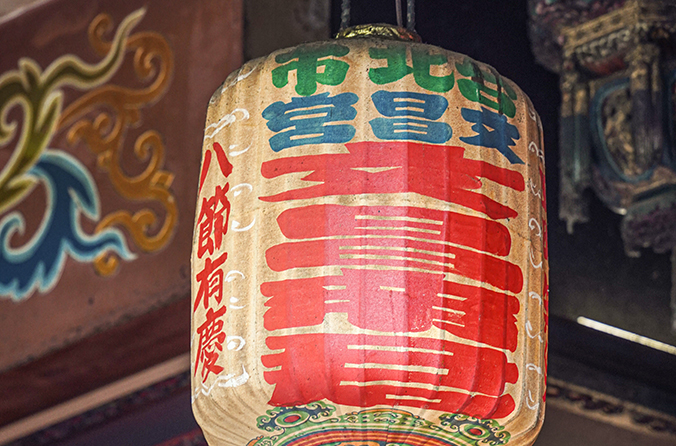
Wenchang Temple
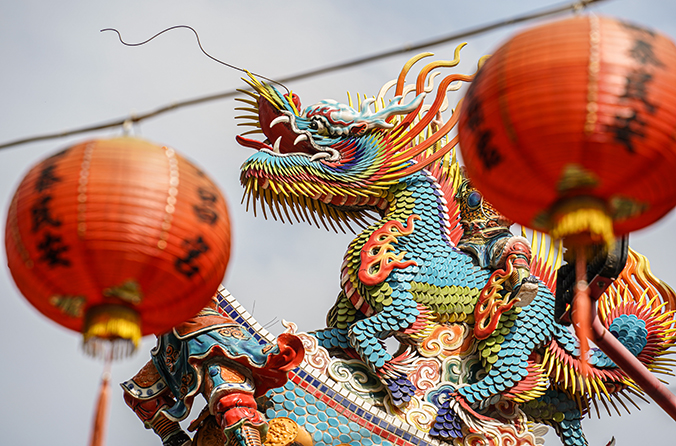
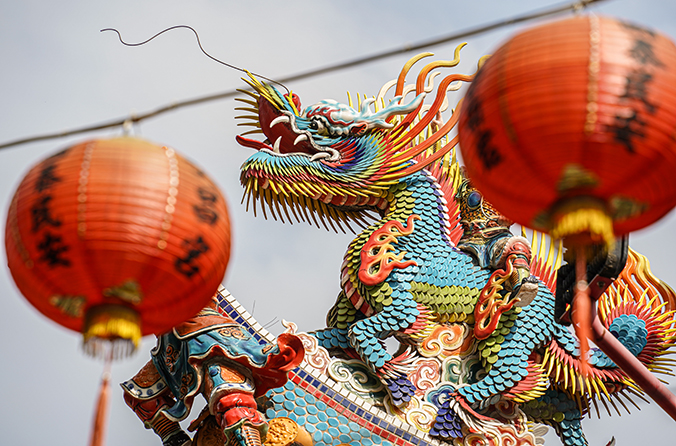 The swallowtail-style cut-and-paste decorations bring the dragons vividly to life.
Located near Shuanglian MRT Station, Taipei’s Wenchang Temple is dedicated to Wenchang Dijun, the deity of literature and academic success. While the temple’s architecture is modest, its altar is intricately adorned with cloud and dragon motifs—symbols of prosperity in the imperial examination system—making it a revered place of worship for students and scholars alike.
The temple upholds values such as helping those in danger, relieving suffering, showing compassion to the lonely, forgiving others, and performing hidden acts of virtue. Guided by the philosophy of "giving back to society," it has become a beacon for spiritual support during exam seasons and on Wenchang Dijun’s birthday. Students and parents alike flock here to pray for wisdom, academic blessings, and favorable outcomes in their studies, resulting in ever-growing devotion and incense offerings.
Surrounded by a culturally rich neighborhood filled with bookstores, schools, and creative shops, Wenchang Temple embodies the literary and artistic spirit of the area. It stands as both a cultural sanctuary and a witness to the development of Taipei’s humanistic and educational landscape.
The temple upholds values such as helping those in danger, relieving suffering, showing compassion to the lonely, forgiving others, and performing hidden acts of virtue. Guided by the philosophy of "giving back to society," it has become a beacon for spiritual support during exam seasons and on Wenchang Dijun’s birthday. Students and parents alike flock here to pray for wisdom, academic blessings, and favorable outcomes in their studies, resulting in ever-growing devotion and incense offerings.
Surrounded by a culturally rich neighborhood filled with bookstores, schools, and creative shops, Wenchang Temple embodies the literary and artistic spirit of the area. It stands as both a cultural sanctuary and a witness to the development of Taipei’s humanistic and educational landscape.
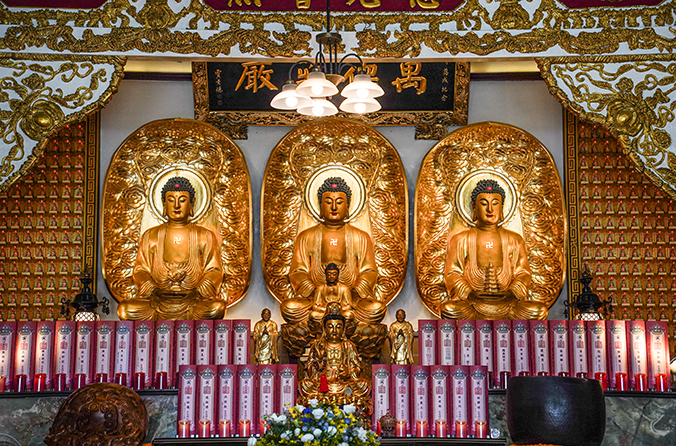
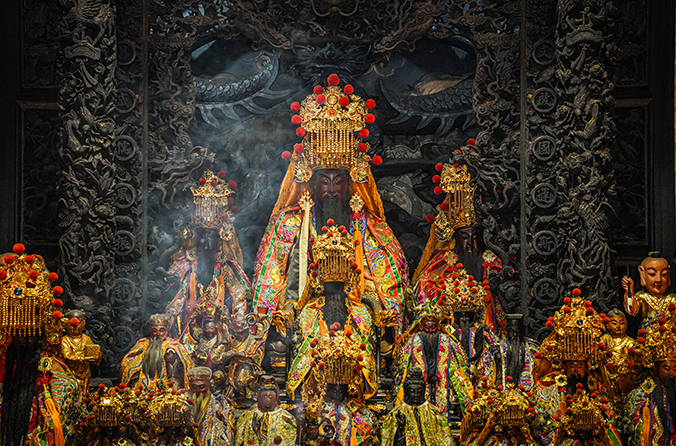 The main hall enshrines Wenchang Dijun along with five associated deities of literature.
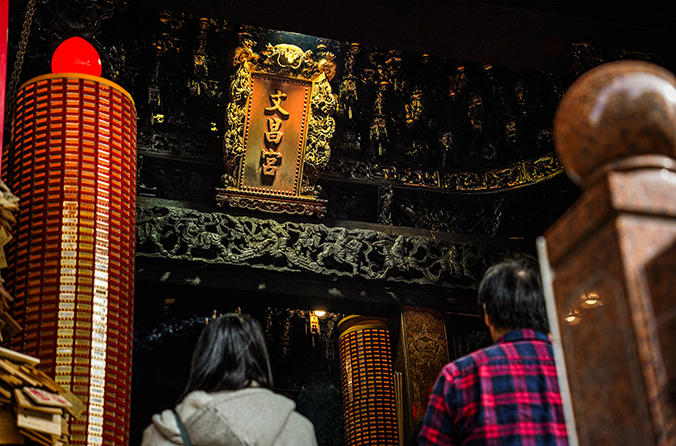 During exam season, Wenchang Temple is bustling with worshippers praying for academic success.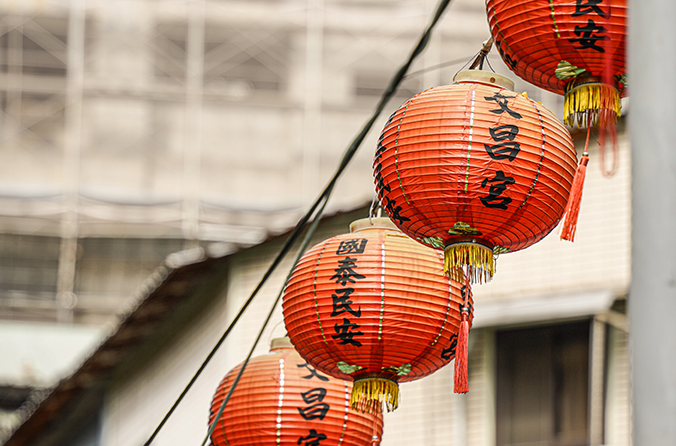
Xingtian Temple
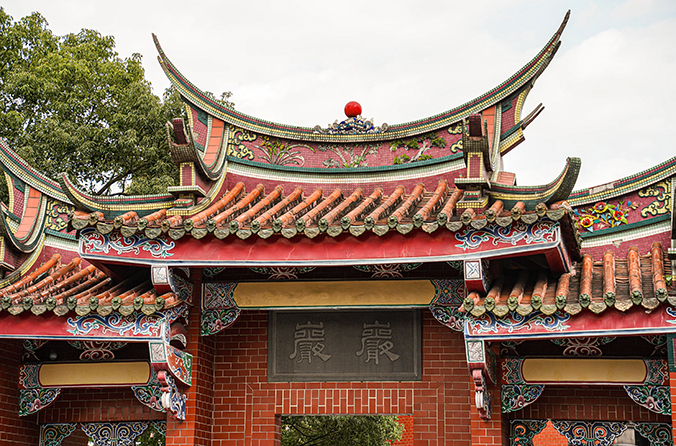
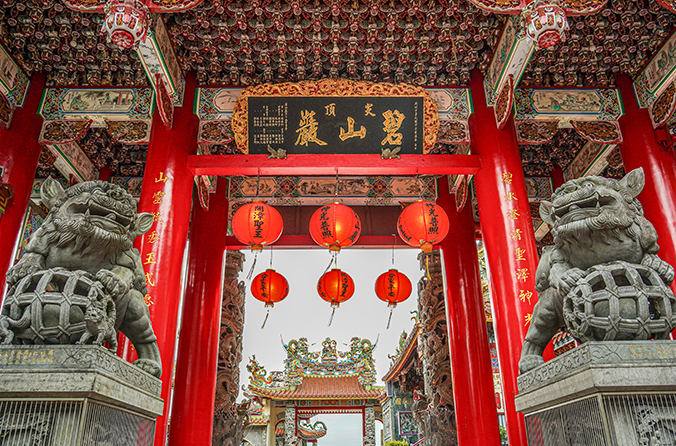
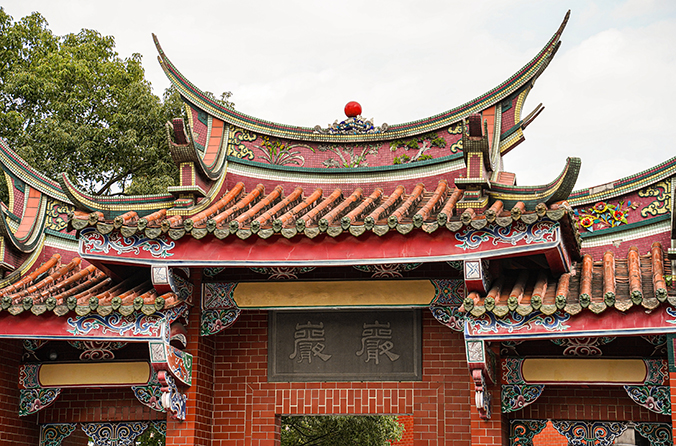 The inscription “Yanyan” above the mountain gate comes from the Book of Songs – Minor Odes – Jienanshan: “Guard the southern mountains, with their towering rocky cliffs.”
Located in one of Taipei’s busiest districts, Xingtian Temple is dedicated to Guan Sheng Dijun (Lord Guan), representing loyalty, righteousness, and integrity. The grand structure impresses with its majestic architecture, while the temple's walls and stone pillars are adorned with detailed carvings. The design harmoniously blends elements of Buddhism and Taoism, reflecting Taiwan’s rich tapestry of folk beliefs.
Xingtian Temple upholds the principle of “heartfelt devotion,” promoting environmental mindfulness and simplicity in worship. Rooted in Luan-tang (phoenix hall) traditions, the temple emphasizes inner sincerity over material offerings—requiring no incense, food, or lavish donations, only genuine reverence from worshippers. People come here to pray for peace, guidance in their careers, romantic blessings, or simply to find tranquility amidst the city’s hustle and bustle.
As a spiritual sanctuary in the heart of the city, Xingtian Temple seamlessly weaves traditional worship into modern life, offering a timeless space filled with cultural warmth and reflective serenity.
Xingtian Temple upholds the principle of “heartfelt devotion,” promoting environmental mindfulness and simplicity in worship. Rooted in Luan-tang (phoenix hall) traditions, the temple emphasizes inner sincerity over material offerings—requiring no incense, food, or lavish donations, only genuine reverence from worshippers. People come here to pray for peace, guidance in their careers, romantic blessings, or simply to find tranquility amidst the city’s hustle and bustle.
As a spiritual sanctuary in the heart of the city, Xingtian Temple seamlessly weaves traditional worship into modern life, offering a timeless space filled with cultural warmth and reflective serenity.
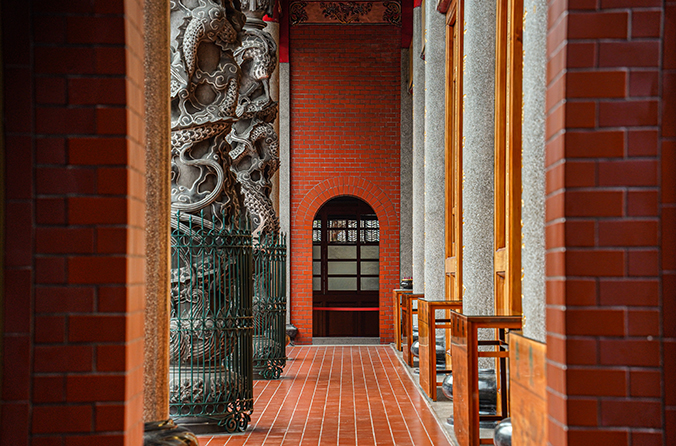
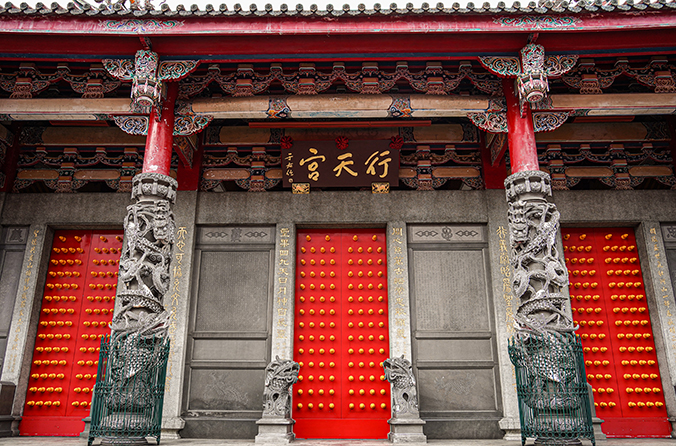 The main hall’s doors feature 108 studs, symbolizing protection by the 36 Heavenly Spirits and 72 Earthly Fiends.
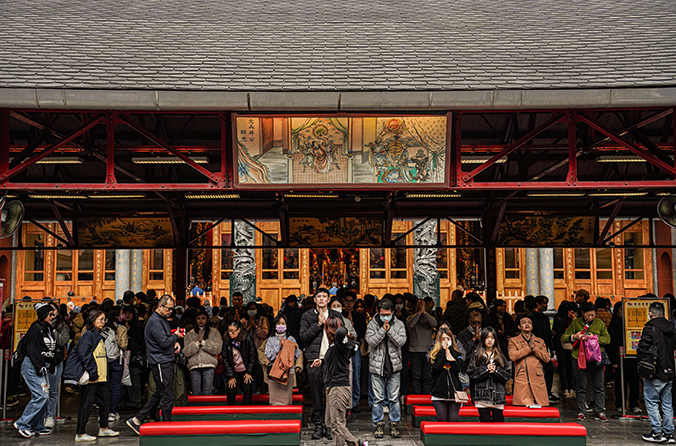 Devotees offer sincere prayers to the heavens.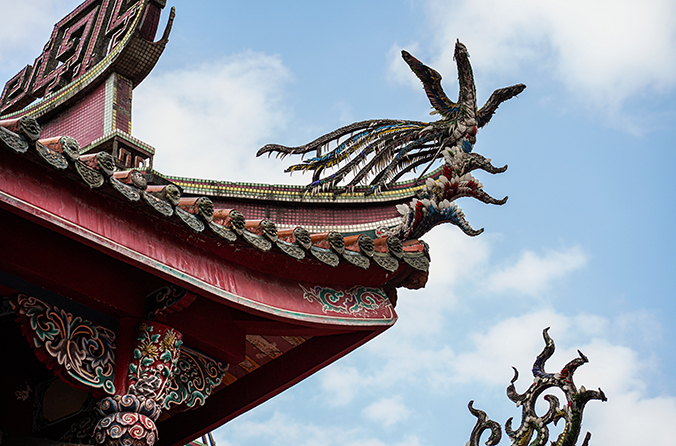
Jiantan Temple
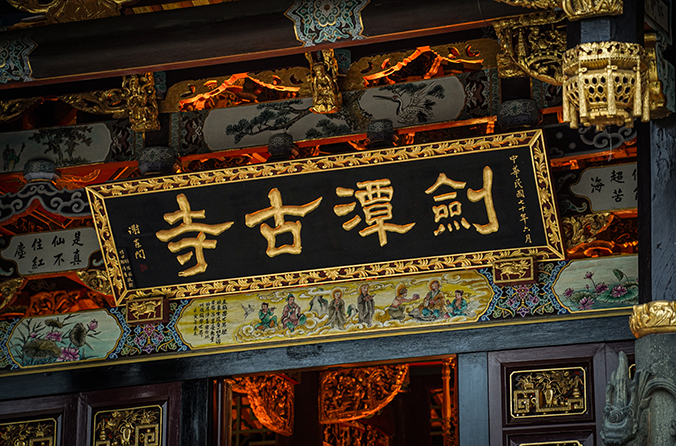
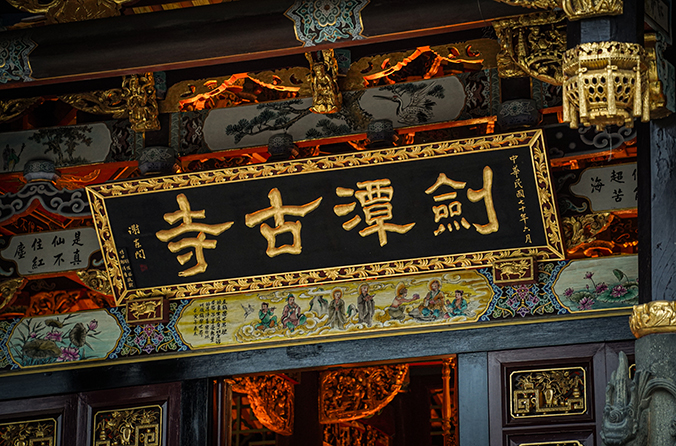 The plaque of Jiantan Temple was inscribed by then Vice President Hsieh Tung-min.
Stepping into Jiantan Temple feels like turning the pages of history—its classical ambiance offering an immediate escape from the city's hustle. Believed to have been founded during the Guangxu reign of the Qing Dynasty, the temple retains the refined craftsmanship of traditional artisans. Nestled at the foot of a mountain in Zhongshan District, it overlooks the Taipei Basin and harmonizes with the surrounding forests and misty air.
The temple is primarily dedicated to Guanyin Bodhisattva, while various guardian deities are also enshrined in different halls for worship and meditation. The temple courtyard is shaded by ancient trees, and its intricate stone carvings and woodwork reflect the beauty of traditional Taiwanese craftsmanship.
During the Buddha’s birthday and major Dharma assemblies, the temple shifts from its usual tranquility to a solemn, vibrant atmosphere. The sound of bells and drums echoes through the hills, gathering spiritual energy. Jiantan Temple is not only a sacred religious site but also a cherished refuge for the soul and a symbol of cultural depth for the people of Taipei.
The temple is primarily dedicated to Guanyin Bodhisattva, while various guardian deities are also enshrined in different halls for worship and meditation. The temple courtyard is shaded by ancient trees, and its intricate stone carvings and woodwork reflect the beauty of traditional Taiwanese craftsmanship.
During the Buddha’s birthday and major Dharma assemblies, the temple shifts from its usual tranquility to a solemn, vibrant atmosphere. The sound of bells and drums echoes through the hills, gathering spiritual energy. Jiantan Temple is not only a sacred religious site but also a cherished refuge for the soul and a symbol of cultural depth for the people of Taipei.
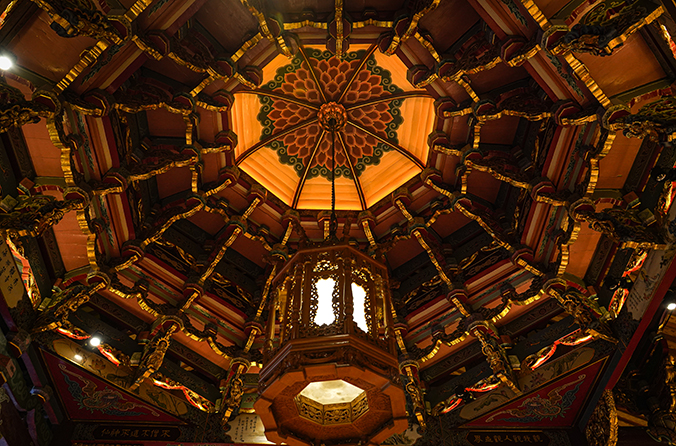
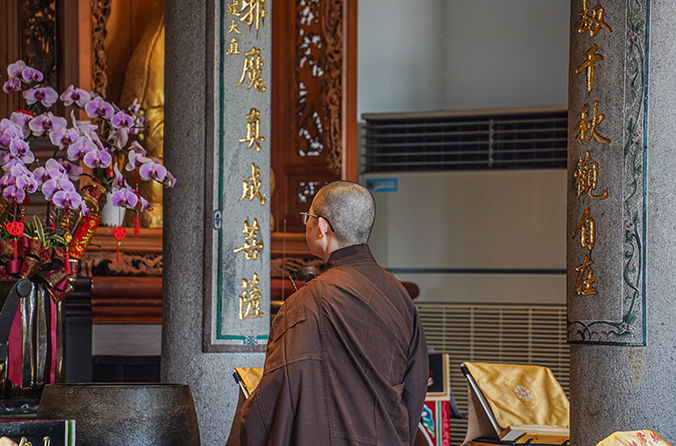 Chanting by resident monks echoes through Jiantan Temple during morning and evening rituals.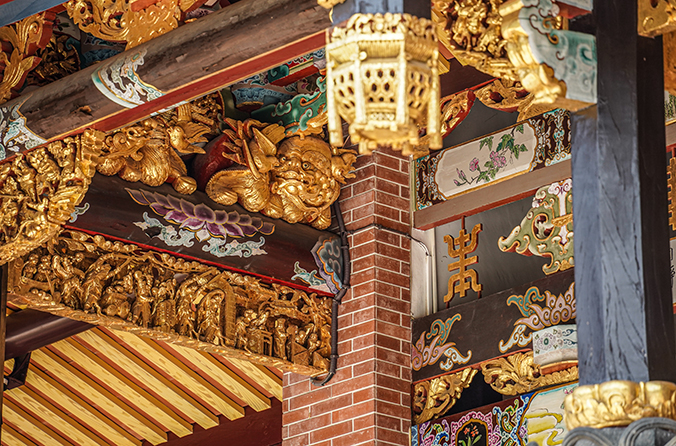
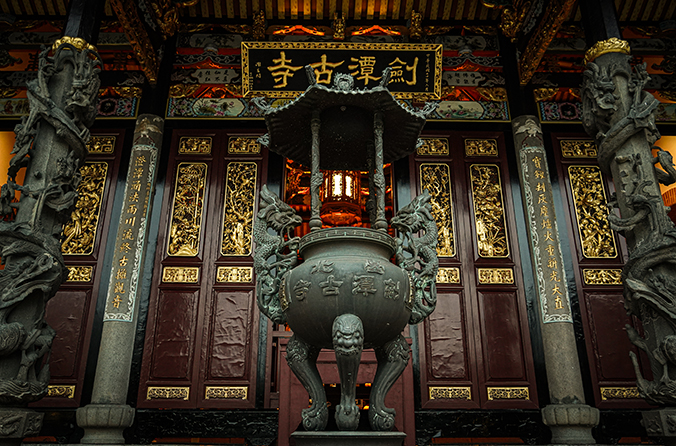 The dignified layout of Jiantan Temple’s main hall was the masterpiece of master craftsman Chen Ying-bin.
Linji Huguo Chan Temple
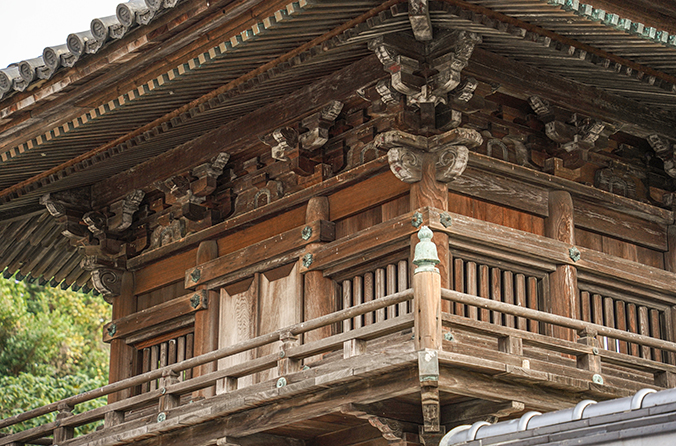
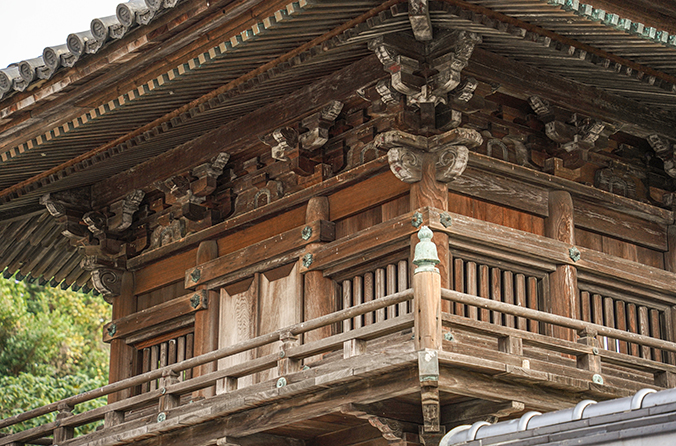
Nestled amidst hills and water, Linji Huguo Chan Temple features a grand and orderly layout. Founded during the Japanese colonial period, the temple belongs to the Linji school of Zen Buddhism and is located on a quiet hillside within Taipei City. It preserves the architectural style of traditional Japanese Zen temples and has been designated a Taipei City Historic Monument. The wooden structures and open corridors exude a refined Zen atmosphere, while the temple’s stone inscriptions and wood carvings serve as enduring records of its history. Over time, the temple has come to embody a sense of serenity and compassion.
Linji Huguo Chan Temple regularly holds chanting sessions and Zen meditation retreats, allowing worshippers and practitioners to experience the calming strength of Buddhist teachings. Emphasizing insight and mindfulness, the temple remains a spiritual beacon in the heart of the city—offering guidance, reflection, and a return to inner peace despite the passage of time.
Linji Huguo Chan Temple regularly holds chanting sessions and Zen meditation retreats, allowing worshippers and practitioners to experience the calming strength of Buddhist teachings. Emphasizing insight and mindfulness, the temple remains a spiritual beacon in the heart of the city—offering guidance, reflection, and a return to inner peace despite the passage of time.
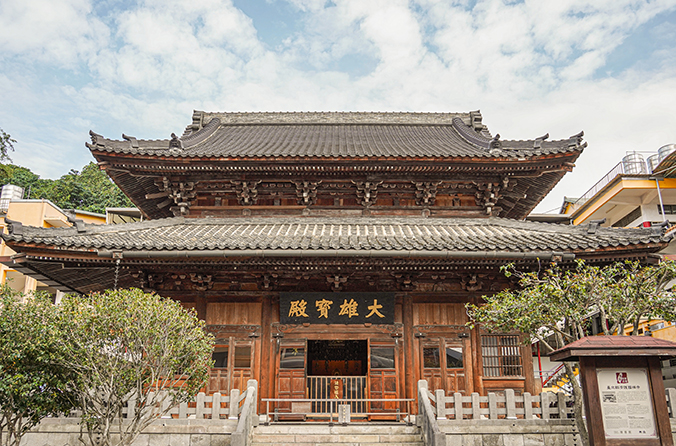 Linji Huguo Chan Temple, a designated city monument, is the oldest surviving Japanese-style Buddhist temple in Taipei.
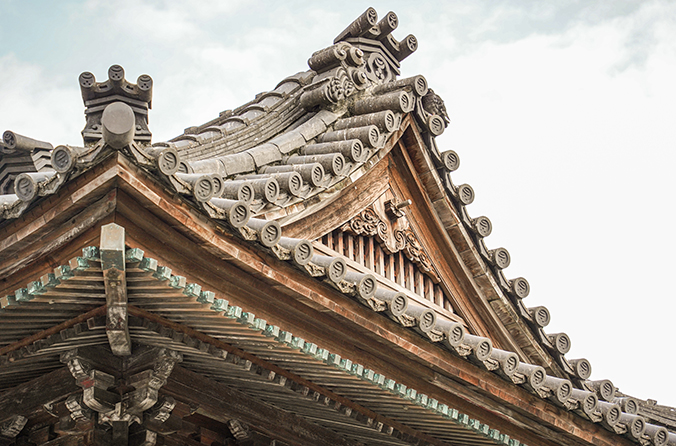 The bell tower is the best-preserved Japanese-style structure.
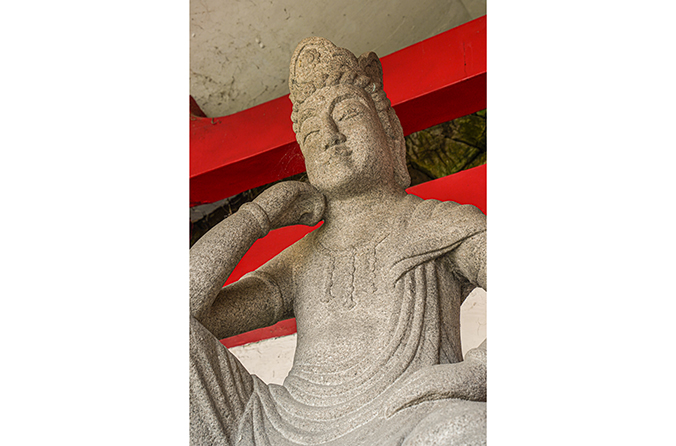 Walking up the path, you’ll see the stone statue of Avalokitesvara (Guanyin) along the way.
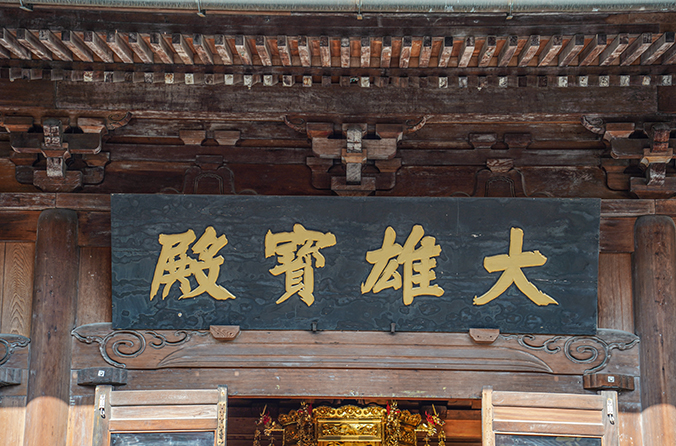 The main Mahavira Hall is the central space for religious ceremonies and spiritual cultivation.
Jinlungyun
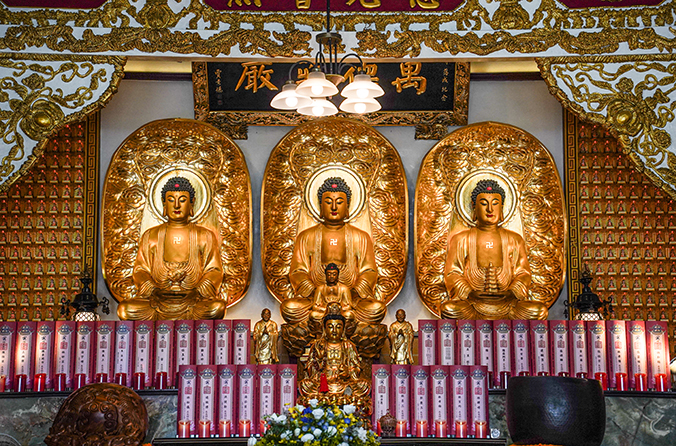 The temple enshrines the solemn statues of the Three Jewels Buddhas.
As you enter Jinlungyun, the gentle sound of chanting blends with the lush greenery, instantly creating a peaceful retreat from the hustle of daily life. The temple harmoniously fuses traditional Chinese and Japanese Zen architectural styles—its soaring eaves and minimalist yet dignified layout radiate a quiet solemnity. The temple is dedicated to Shakyamuni Buddha, and its daily services and Buddhist chanting help guide practitioners in cultivating mindfulness and inner peace.
Beyond its regular Dharma assemblies, Jinlungyun frequently hosts meditation seminars, inviting the public to explore seated meditation and introspection, offering a path toward spiritual tranquility and clarity. On significant occasions such as the Buddha’s Birthday and the Ghost Festival, monks and devotees gather in prayer for peace and blessings for all beings.
One of the temple’s most captivating features is its serene courtyard, where winding stone paths and verdant bamboo groves echo the sculpted Buddha images within. This interplay of nature and sacred space creates a meditative atmosphere. Walking through the temple grounds feels like listening to time itself, immersed in the deep and timeless power of Zen.
Beyond its regular Dharma assemblies, Jinlungyun frequently hosts meditation seminars, inviting the public to explore seated meditation and introspection, offering a path toward spiritual tranquility and clarity. On significant occasions such as the Buddha’s Birthday and the Ghost Festival, monks and devotees gather in prayer for peace and blessings for all beings.
One of the temple’s most captivating features is its serene courtyard, where winding stone paths and verdant bamboo groves echo the sculpted Buddha images within. This interplay of nature and sacred space creates a meditative atmosphere. Walking through the temple grounds feels like listening to time itself, immersed in the deep and timeless power of Zen.
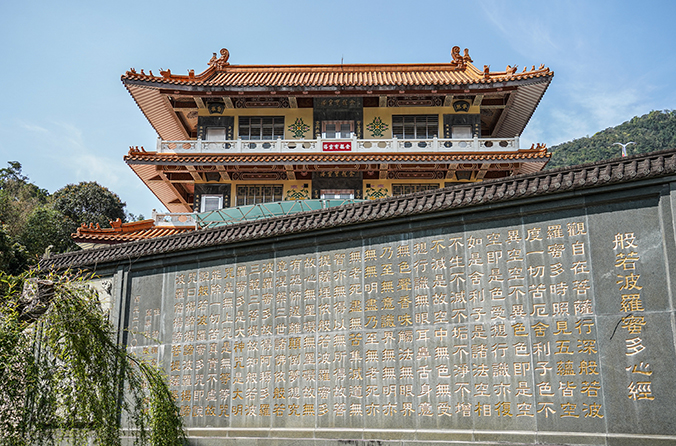 In front of the temple stands the Heart Sutra Wall, encouraging passing devotees to cultivate inner peace.
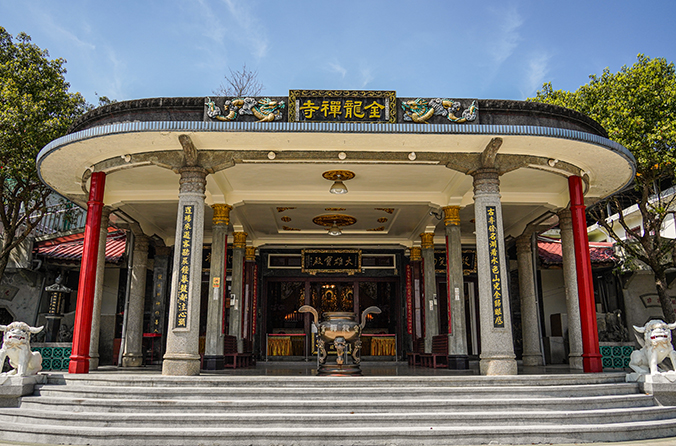 Jinlungyun was formerly a Quanhua Hall, promoting virtue and spiritual cultivation.
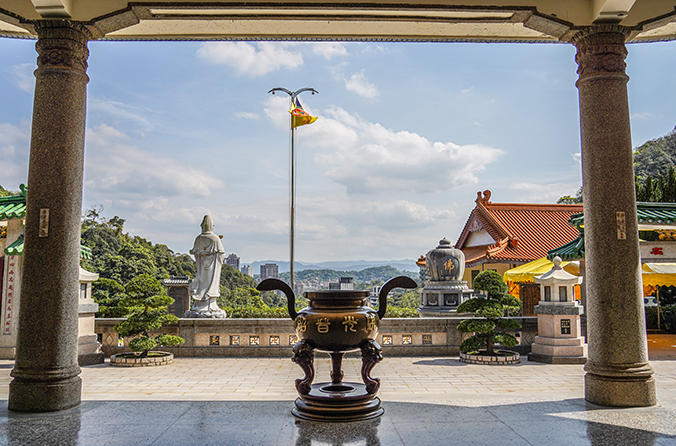 The temple overlooks Neihu District.
Bishan Temple
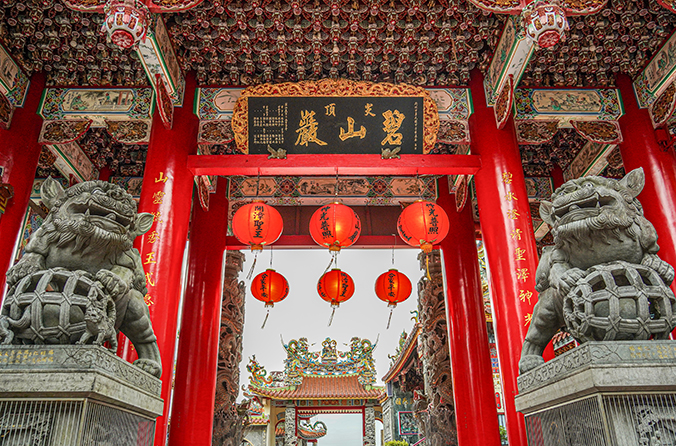
Bishan Temple is located in the scenic Bishan area of Neihu District. Built along the mountainside, the temple offers sweeping views—by day, visitors can see the winding Tamsui River and the vast Taipei Basin; by night, the skyline glows with the lights of Taipei 101 and the bustling East District, reflecting the story of the city’s dynamic development.
The temple is dedicated to Kaizhang Shengwang (Sacred King Who Opened Zhangzhou), honoring the ancestors who crossed the seas to settle and cultivate the land. On the 16th day of the second lunar month, his birthday draws a steady stream of worshippers. The day before, a major ritual—where the martial incarnation of Kaizhang Shengwang returns to the temple in a lively procession—becomes one of Neihu’s most anticipated annual events.
Standing atop the hill, one can feel the profound spiritual energy and the temple’s role in safeguarding the Neihu region, while also taking in the majestic mountain vistas that embody the natural and cultural splendor of Taipei’s hilltop temples.
The temple is dedicated to Kaizhang Shengwang (Sacred King Who Opened Zhangzhou), honoring the ancestors who crossed the seas to settle and cultivate the land. On the 16th day of the second lunar month, his birthday draws a steady stream of worshippers. The day before, a major ritual—where the martial incarnation of Kaizhang Shengwang returns to the temple in a lively procession—becomes one of Neihu’s most anticipated annual events.
Standing atop the hill, one can feel the profound spiritual energy and the temple’s role in safeguarding the Neihu region, while also taking in the majestic mountain vistas that embody the natural and cultural splendor of Taipei’s hilltop temples.
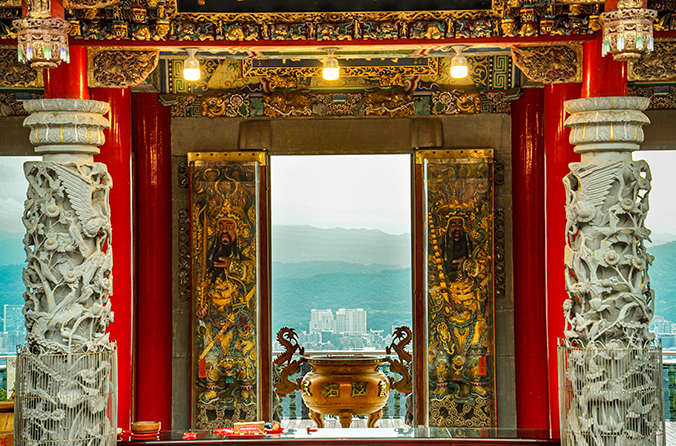 The temple sits atop a peak, overlooking the entire Neihu area.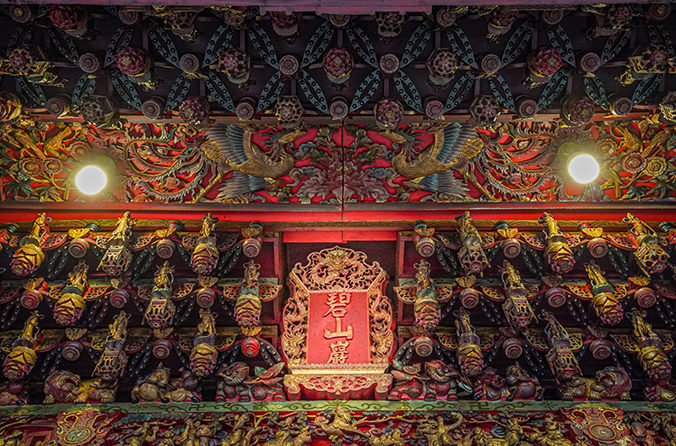
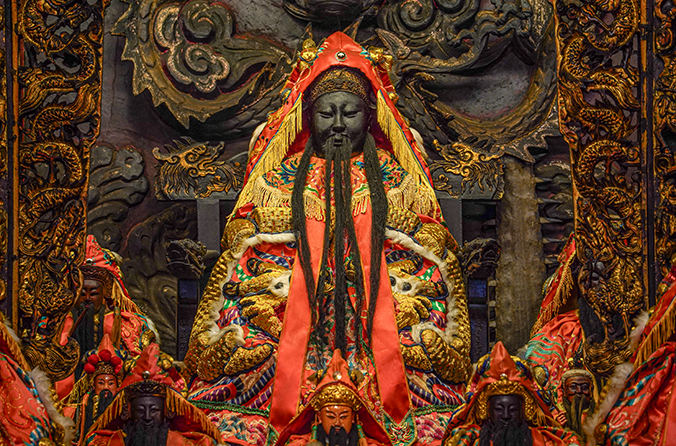 The main hall enshrines the sacred statue of Kaizhang Shengwang.
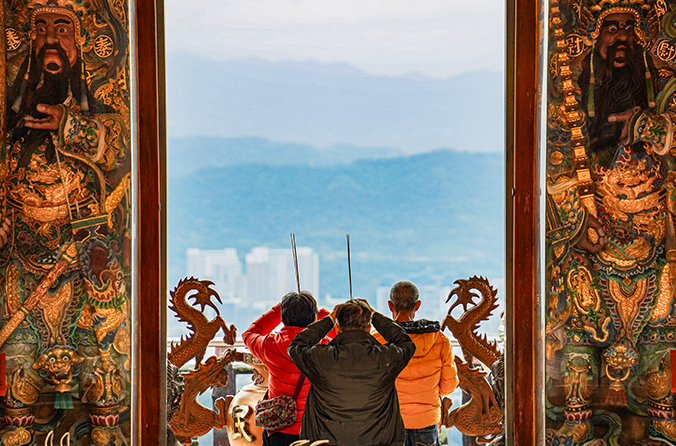 Devotees worship with sincerity, praying for peace and safety.