

/
-
Hot Springs with Culture—
Shilin Beitou LineShilin Night Market is filled with delicious food, while Beitou is known for its hot springs and the Geothermal Valley. This route blends religion, culture, and healing experiences, perfect for relaxation and spiritual exploration.
-
Hot Springs with Culture—
Shilin Beitou LineShilin Night Market is filled with delicious food, while Beitou is known for its hot springs and the Geothermal Valley. This route blends religion, culture, and healing experiences, perfect for relaxation and spiritual exploration.
-
Hot Springs with Culture—
Shilin Beitou LineShilin Night Market is filled with delicious food, while Beitou is known for its hot springs and the Geothermal Valley. This route blends religion, culture, and healing experiences, perfect for relaxation and spiritual exploration.
-
Hot Springs with Culture—
Shilin Beitou LineShilin Night Market is filled with delicious food, while Beitou is known for its hot springs and the Geothermal Valley. This route blends religion, culture, and healing experiences, perfect for relaxation and spiritual exploration.
-
Hot Springs with Culture—
Shilin Beitou LineShilin Night Market is filled with delicious food, while Beitou is known for its hot springs and the Geothermal Valley. This route blends religion, culture, and healing experiences, perfect for relaxation and spiritual exploration.
-
Hot Springs with Culture—
Shilin Beitou LineShilin Night Market is filled with delicious food, while Beitou is known for its hot springs and the Geothermal Valley. This route blends religion, culture, and healing experiences, perfect for relaxation and spiritual exploration.
-
Hot Springs with Culture—
Shilin Beitou LineShilin Night Market is filled with delicious food, while Beitou is known for its hot springs and the Geothermal Valley. This route blends religion, culture, and healing experiences, perfect for relaxation and spiritual exploration.
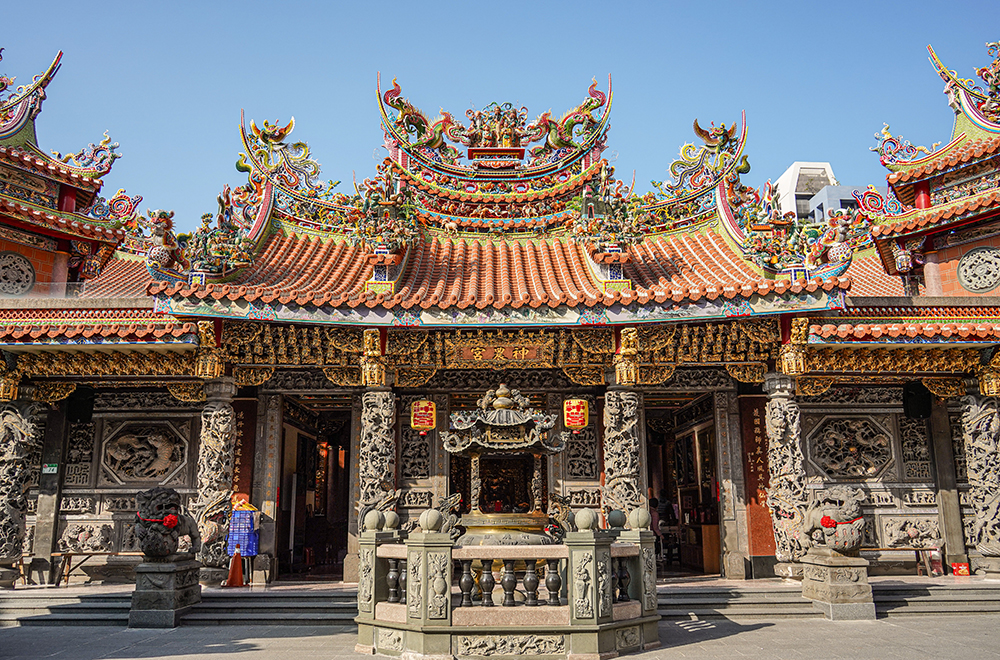
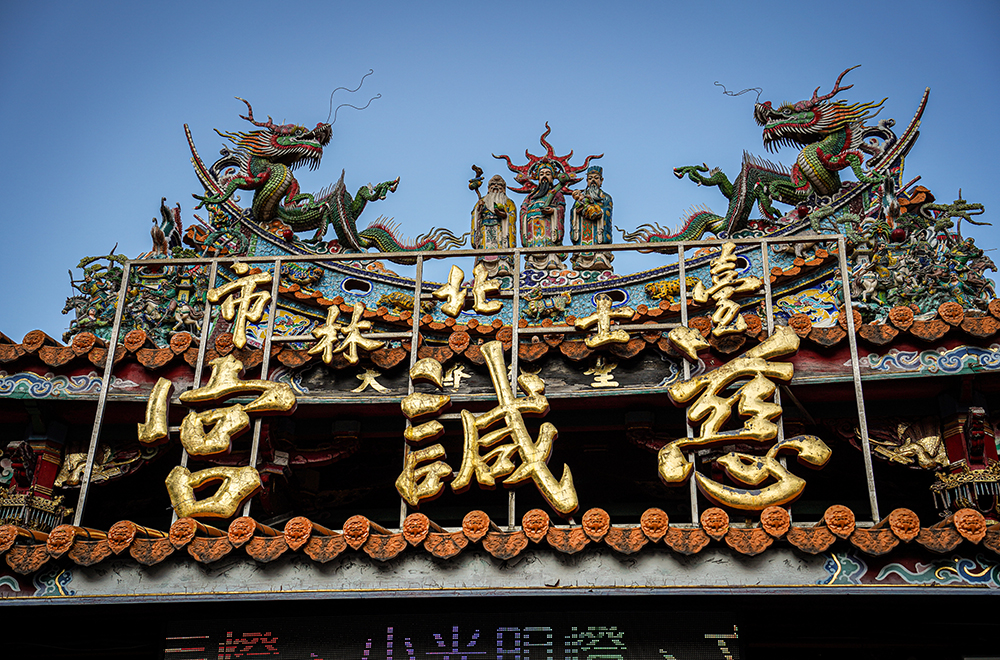
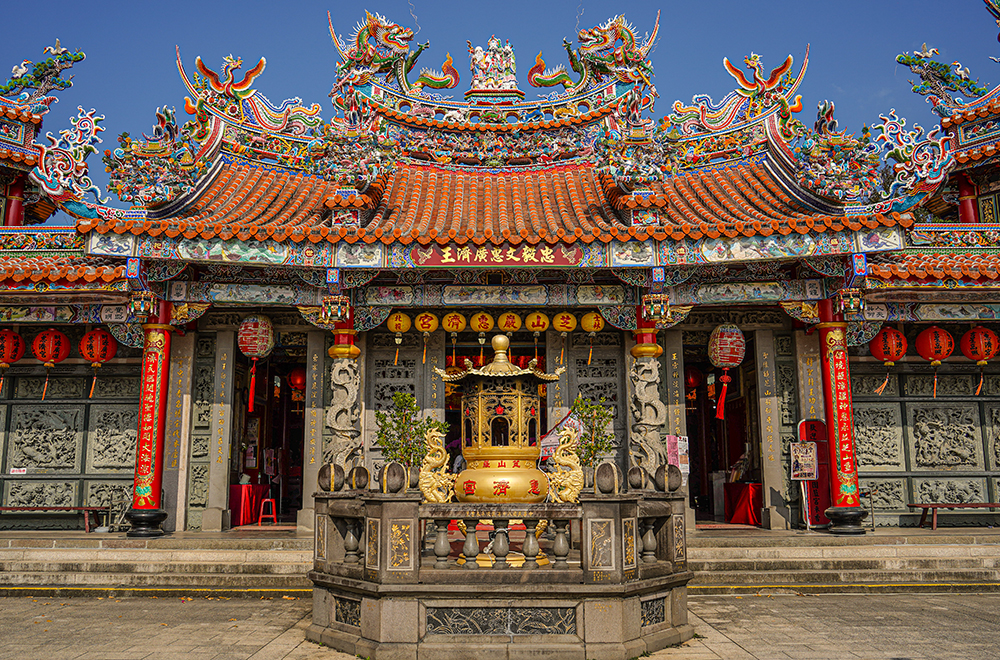
Shilin Shen Nong Temple
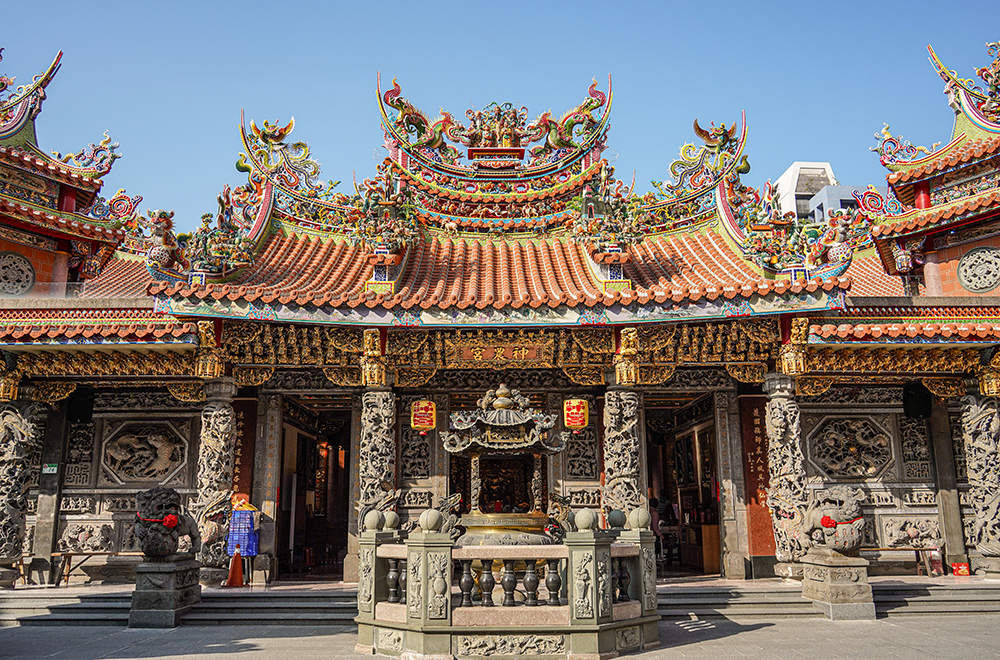 Shilin Shen Nong Temple, formerly known as Zhilan Temple, was the religious center of the old Shilin area.
Step into Shilin Shen Nong Temple and you’re welcomed by the soft scent of sandalwood and the quiet devotion of worshippers. The temple enshrines the Great Emperor Shen Nong, protector of agriculture and medicine, embodying prayers for abundant harvests and community well-being. Every year on April 26, the deity’s birthday is celebrated with vibrant festivities—processions, performances, and birthday tributes that bring neighbors and families together to honor generations of hard work and tradition.
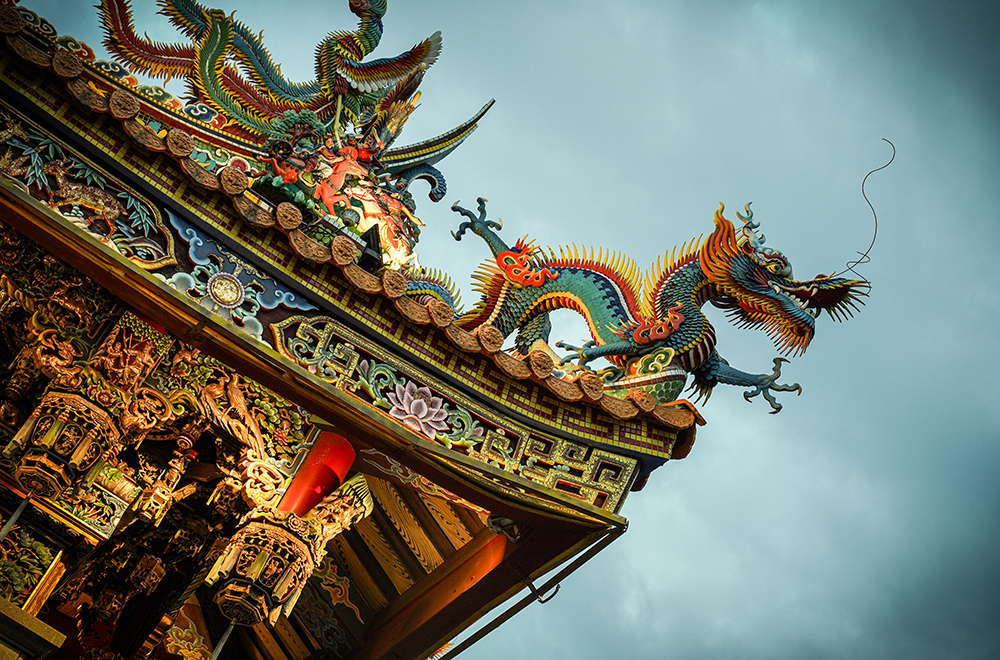
Founded in the late Qing Dynasty, the temple features intricate wood and stone carvings. Within its centuries-old bricks and sweeping eaves, one can almost hear the echo of artisans’ careful chiseling. Shilin Shen Nong Temple holds the memories of shared ancestry and the local community’s deep affection for the land. It is not only a place of prayer, but also a powerful symbol of Shilin residents’ devotion to home, heritage, and collective hope.
Founded in the late Qing Dynasty, the temple features intricate wood and stone carvings. Within its centuries-old bricks and sweeping eaves, one can almost hear the echo of artisans’ careful chiseling. Shilin Shen Nong Temple holds the memories of shared ancestry and the local community’s deep affection for the land. It is not only a place of prayer, but also a powerful symbol of Shilin residents’ devotion to home, heritage, and collective hope.
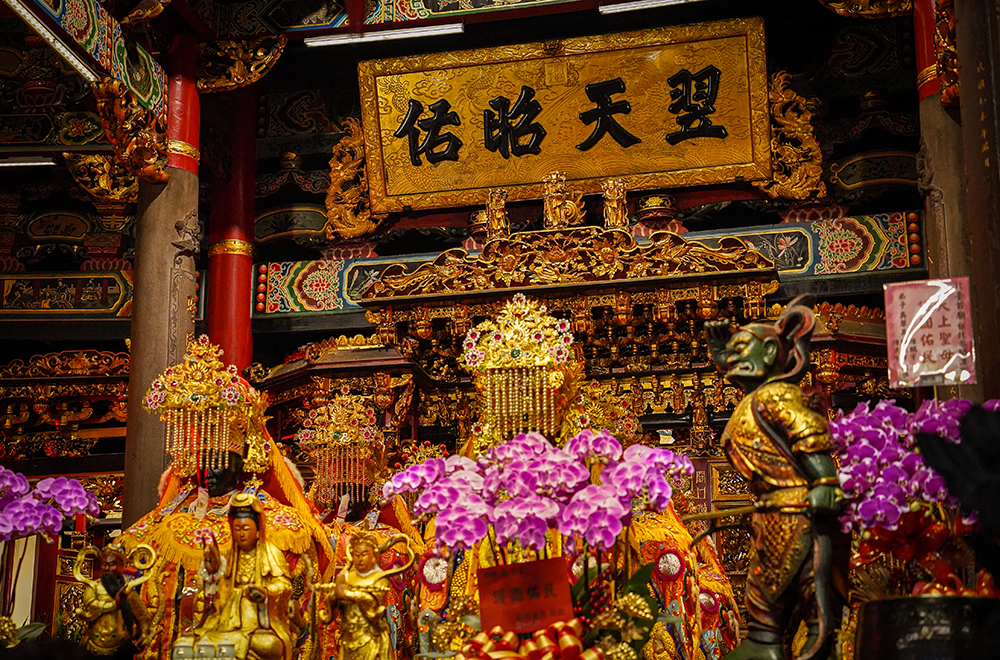
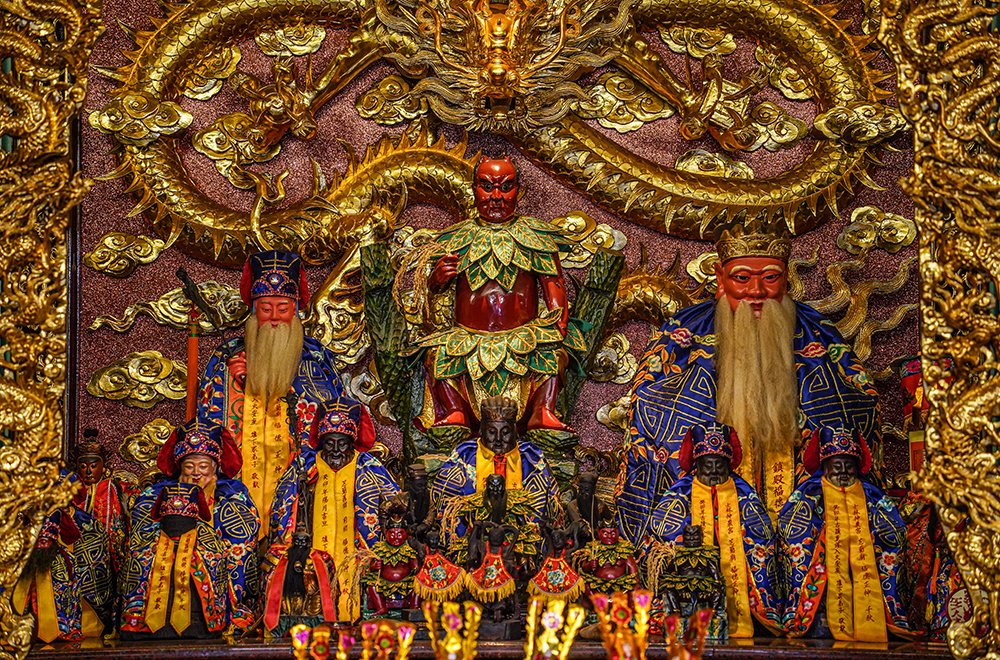 The main hall enshrines the Great Emperor Shen Nong and the Earth God (Tudi Gong).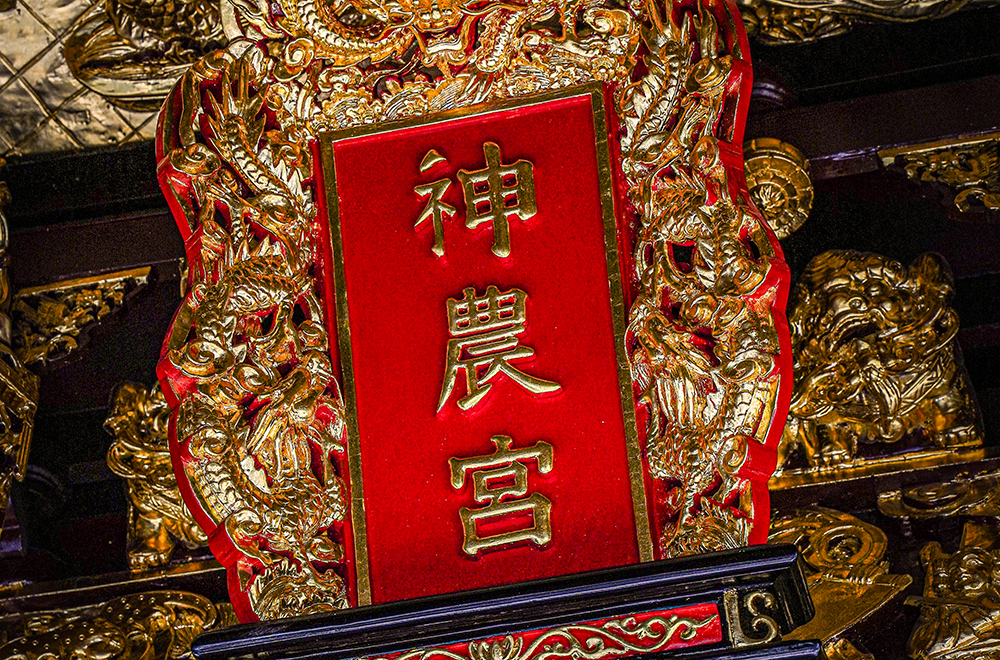
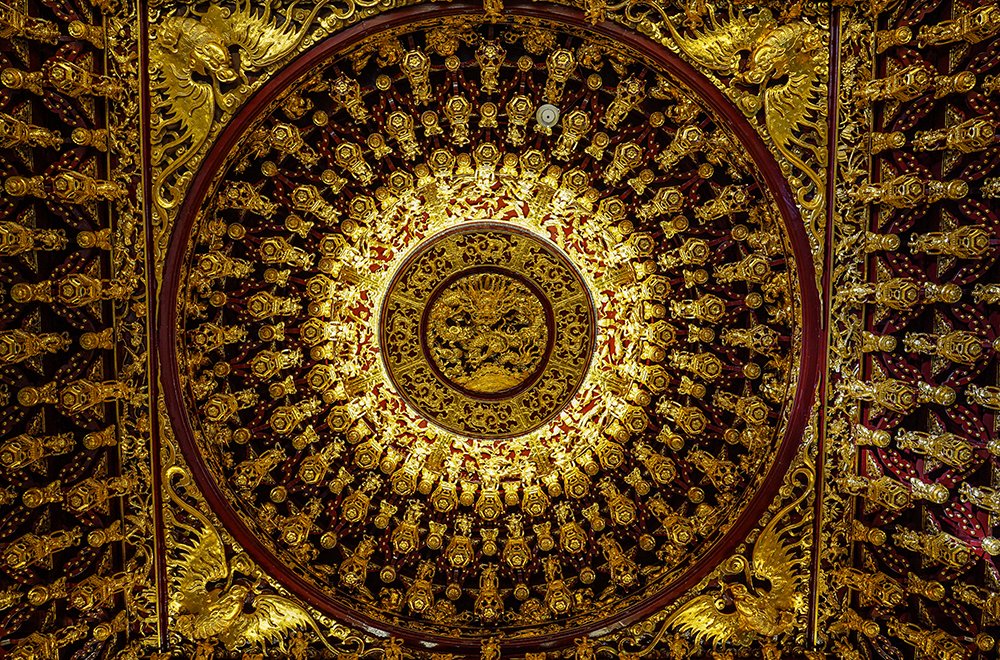 The coffered ceiling of the renovated Shen Nong Temple is dazzling and ornate.
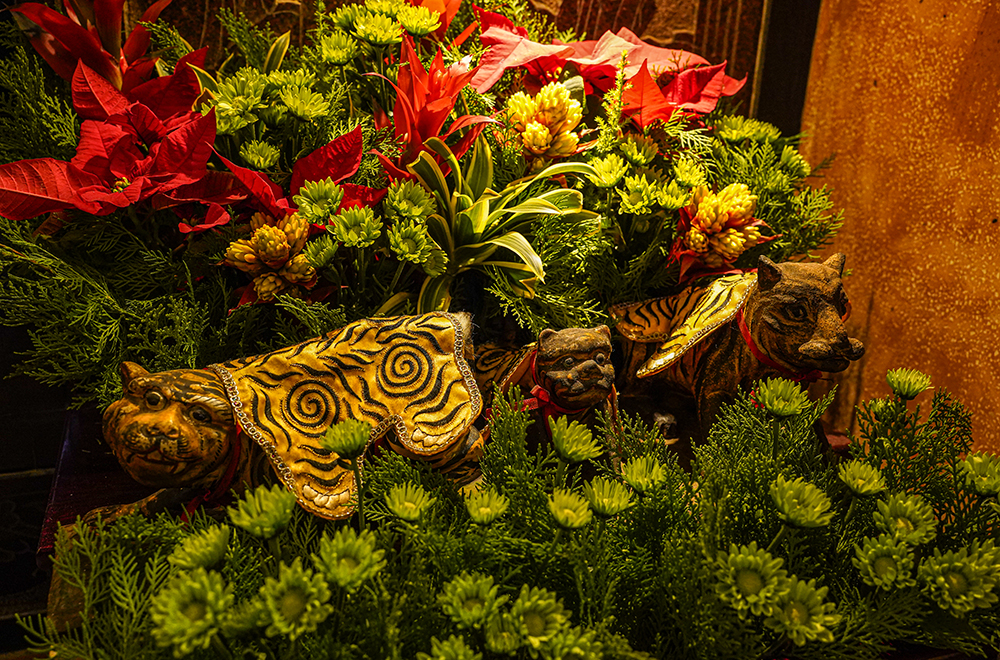 The Tiger God altar at Shilin Shen Nong Temple evokes a rustic, forest-like atmosphere.
Cixian Temple
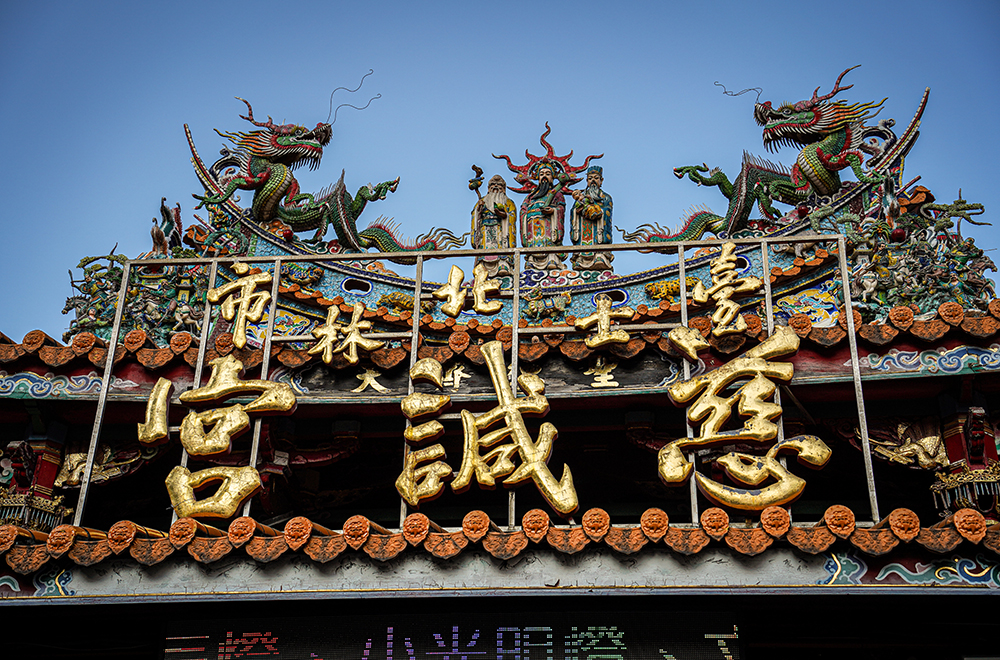 Once called Zhilan Street Tianhou Temple, now Cixian Temple.
As you step into Cixian Temple, the subtle scent of sandalwood lingers in the air, quietly evoking memories of the past. Established during the Jiaqing era of the Qing Dynasty, the temple is dedicated to Mazu, the Heavenly Holy Mother and protector of sailors and travelers. Every year on the 23rd day of the third lunar month, the temple hosts a grand birthday celebration for Mazu—both solemn and festive—drawing worshippers from all around to witness the thriving incense and the continuity of faith, while strengthening the bonds within the Shilin community.
Inside, the temple showcases exquisite craftsmanship: intricately carved beams, coiled dragons on stone pillars, vivid wall paintings, and gold-trimmed ornamentation—all reflecting the tireless dedication of master artisans.
More than just a place to pray for health and blessings for fishers, farmers, merchants, and travelers, Cixian Temple stands as a heartfelt testament to community unity and vibrant local tradition.
Inside, the temple showcases exquisite craftsmanship: intricately carved beams, coiled dragons on stone pillars, vivid wall paintings, and gold-trimmed ornamentation—all reflecting the tireless dedication of master artisans.
More than just a place to pray for health and blessings for fishers, farmers, merchants, and travelers, Cixian Temple stands as a heartfelt testament to community unity and vibrant local tradition.
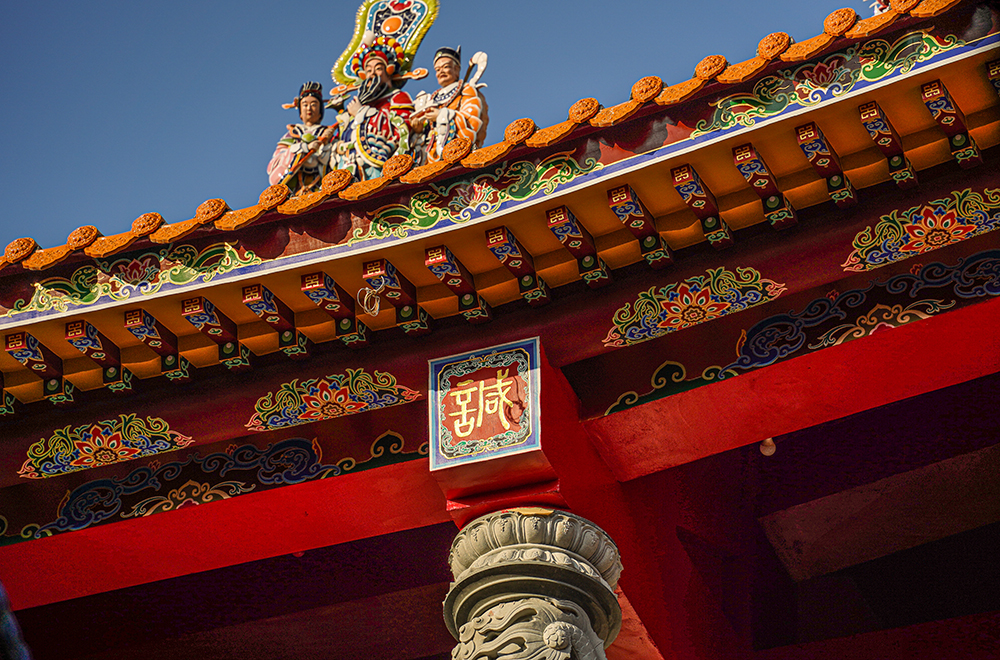 The name “Cixian” reflects harmony and sincere devotion, honoring early settlers’ struggles.
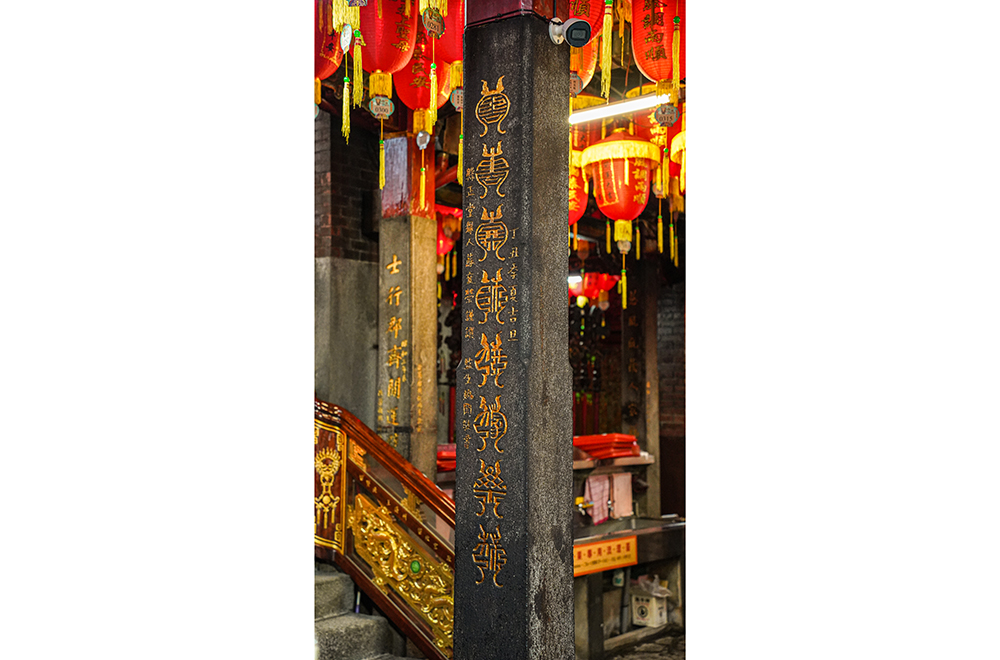 The main hall couplets are engraved on incense burner–style stone pillars from the Qing Dynasty.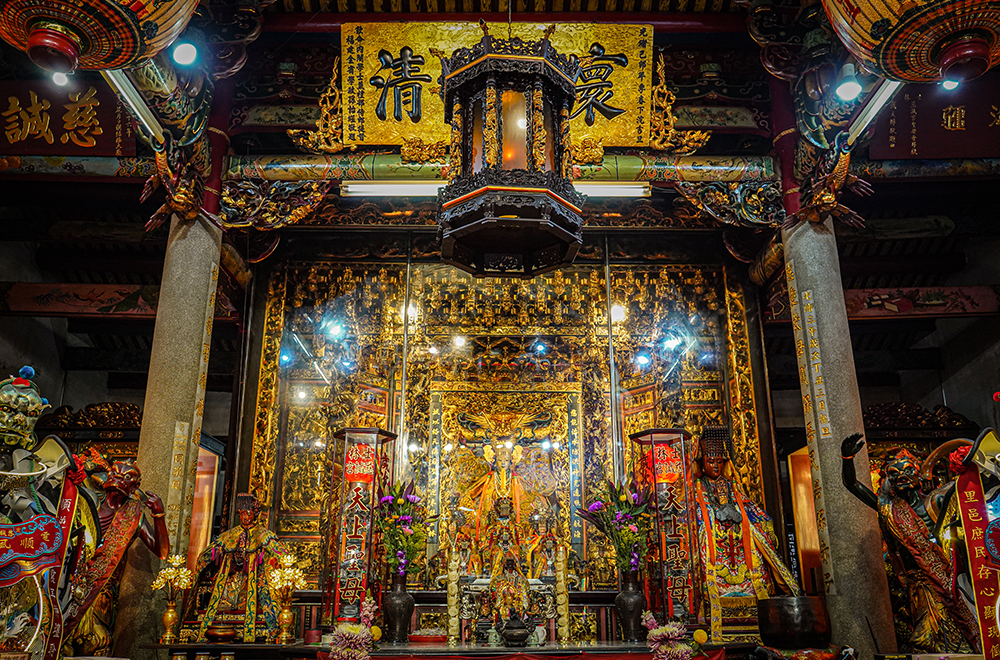
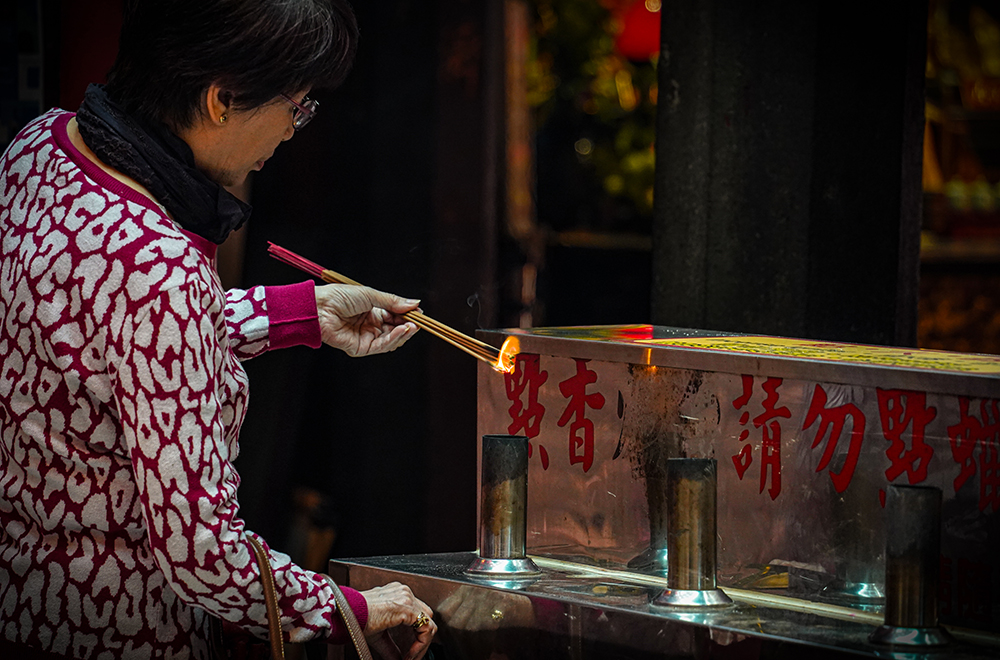 Cixian Temple in Shilin Night Market draws worshippers all day.
Huiji Temple, Zhishanyan
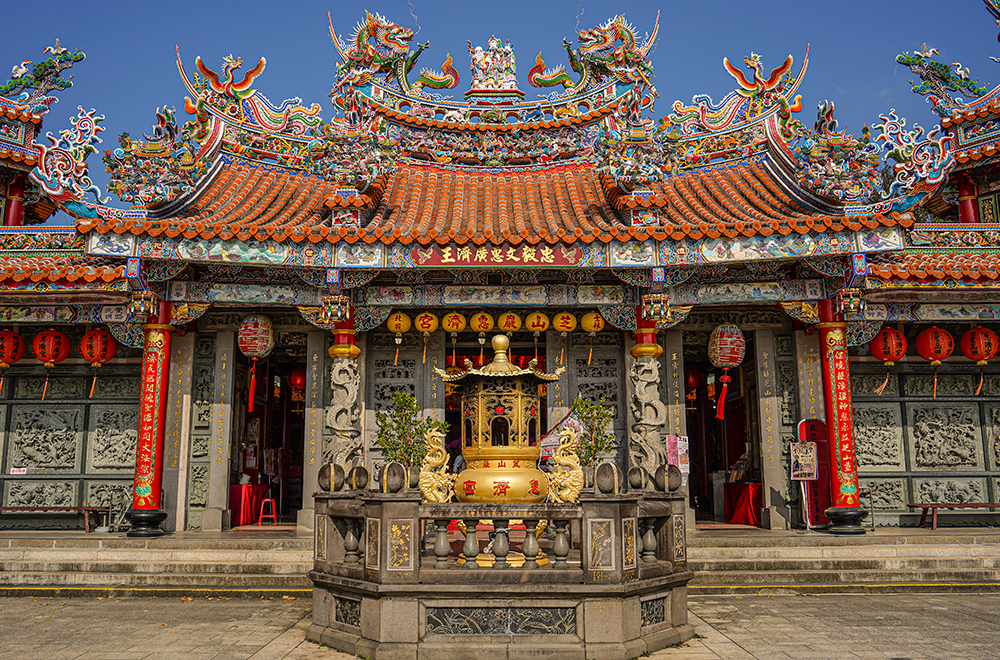 Huiji Temple, Zhishanyan enshrines three principal deities: Kaizhang Shengwang, Guanyin Bodhisattva, and Wenchang Dijun.
Climb the 226 stone steps to reach Huiji Temple, Zhishanyan, perched atop Zhishan Rock in Shilin. Originally composed of three separate temples, it was later unified into one and is now dedicated to Kaizhang Shengwang, Guanyin Bodhisattva, and Wenchang Dijun—forming a core center of local faith and blessings.
Standing at the temple entrance, one can overlook the city’s vibrant skyline, where history and urban charm blend into a captivating scene. The temple retains the essence of Qing-era architecture, with its beams and paintings reflecting masterful craftsmanship and the deep reverence of early settlers.
Every year, on the birthday of Kaizhang Shengwang, the temple hosts grand rituals and processions, filling the air with drums, chants, and the spirit of tradition. Today, Huiji Temple continues to guard the hopes and well-being of Shilin’s residents, carrying forward a profound and enduring cultural legacy.
Standing at the temple entrance, one can overlook the city’s vibrant skyline, where history and urban charm blend into a captivating scene. The temple retains the essence of Qing-era architecture, with its beams and paintings reflecting masterful craftsmanship and the deep reverence of early settlers.
Every year, on the birthday of Kaizhang Shengwang, the temple hosts grand rituals and processions, filling the air with drums, chants, and the spirit of tradition. Today, Huiji Temple continues to guard the hopes and well-being of Shilin’s residents, carrying forward a profound and enduring cultural legacy.
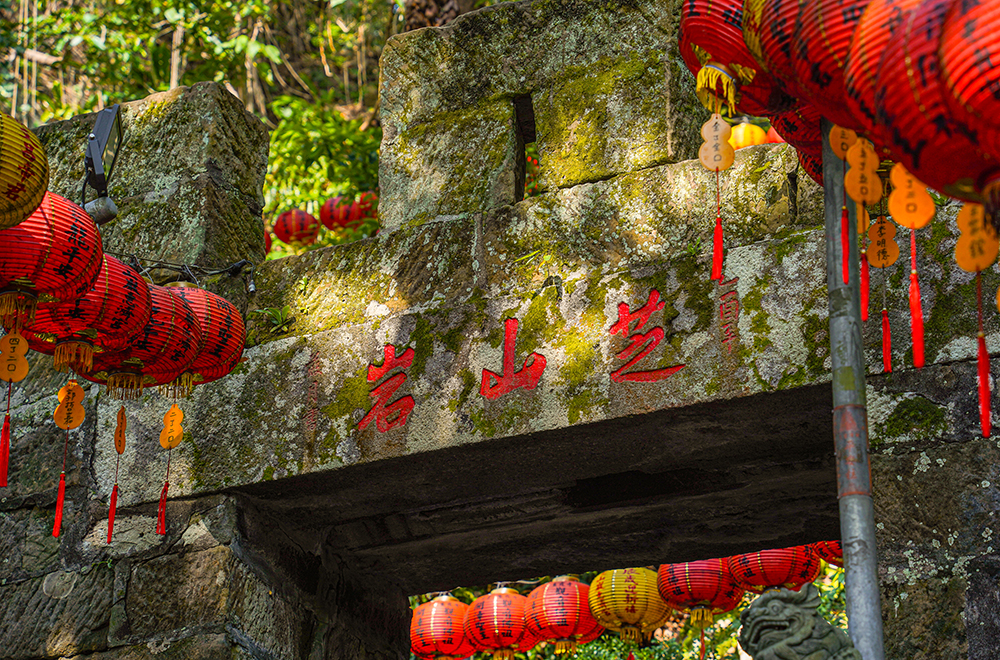 The gate once used to prevent clan conflicts remains well preserved today.
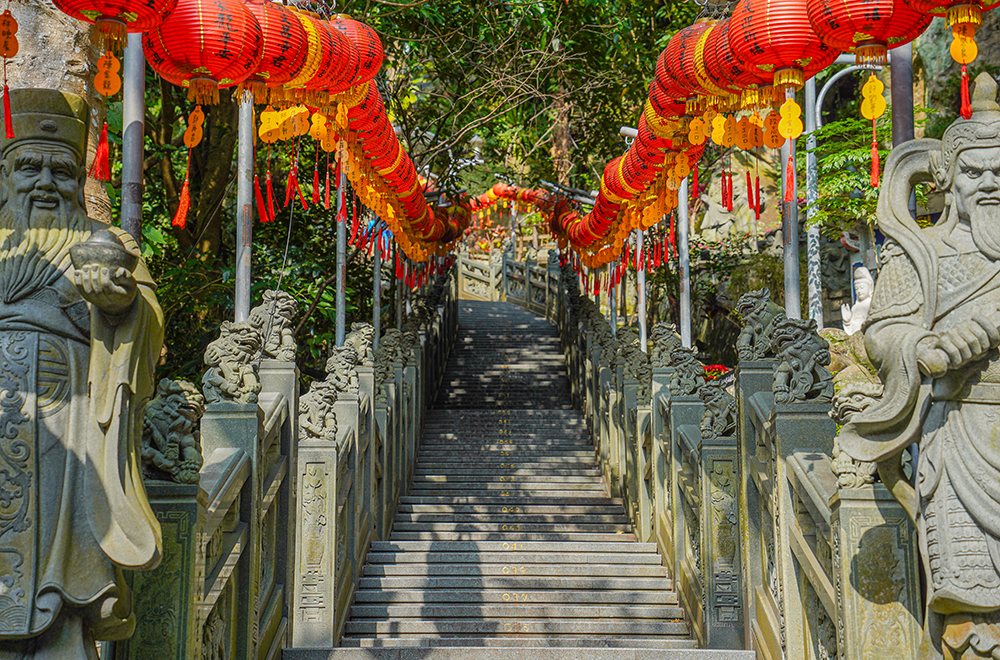 Over 200 steps lead to Huiji Temple’s main hall, a favorite photo spot.
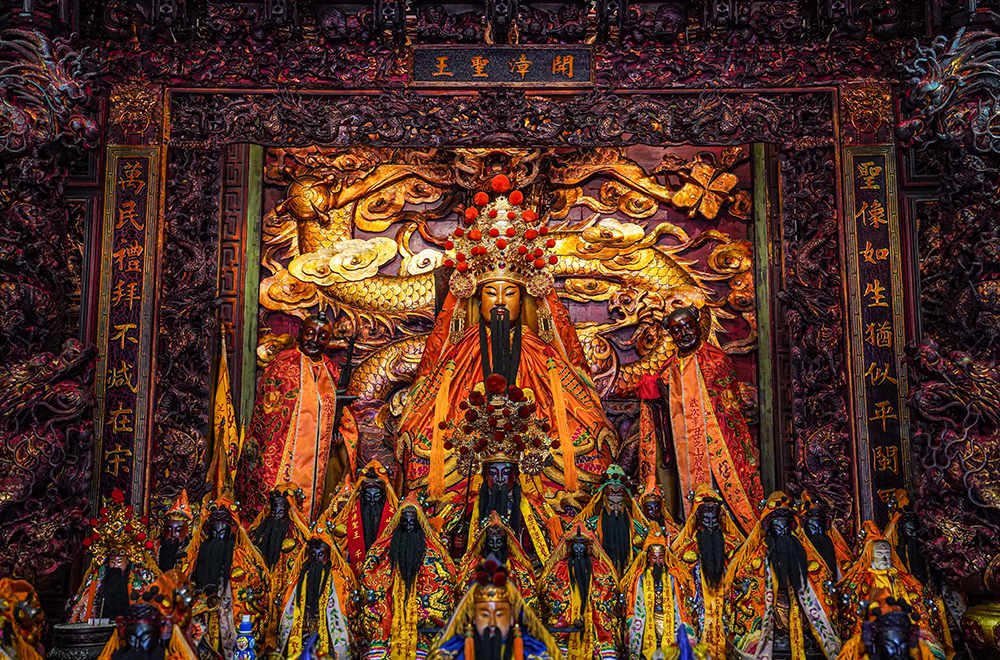 The main hall of Huiji Temple, Zhishanyan enshrines Kaizhang Shengwang.
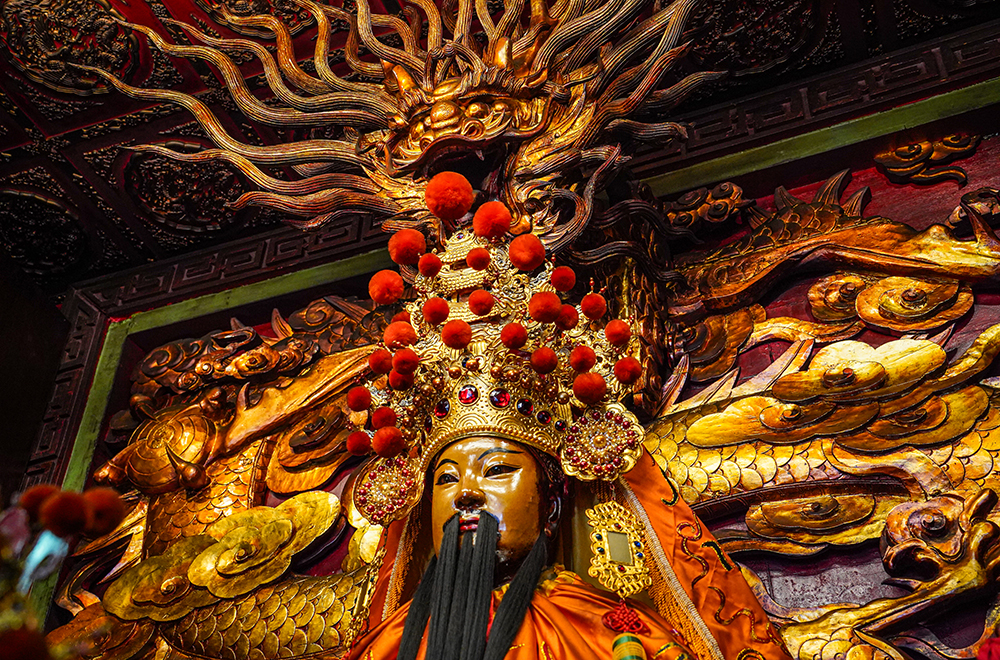 The wooden statue of Kaizhang Shengwang is ornately carved, embodying the deity’s majesty.
Puji Temple
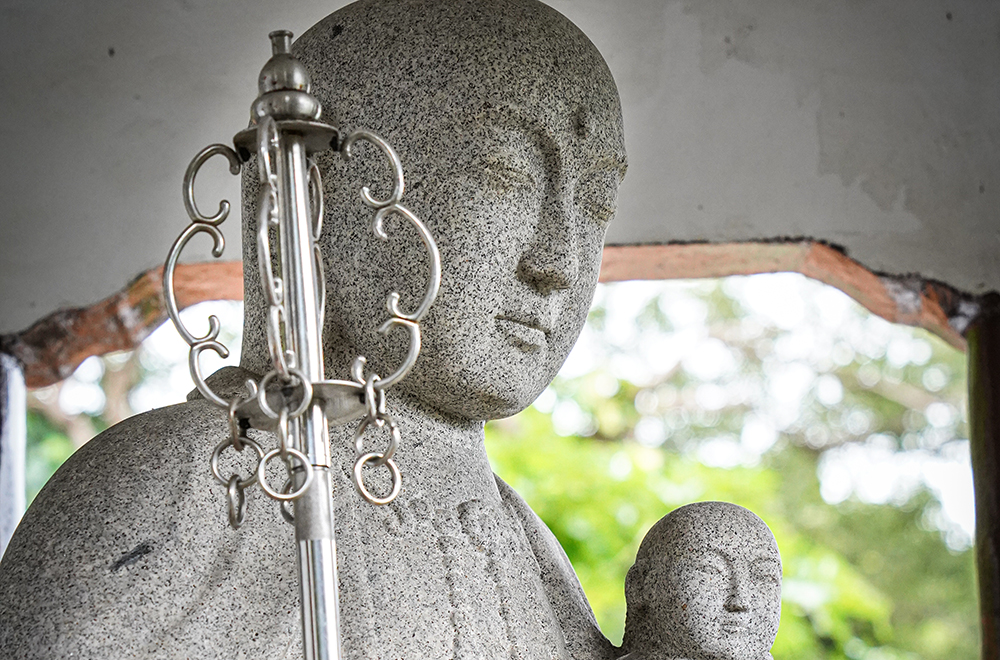
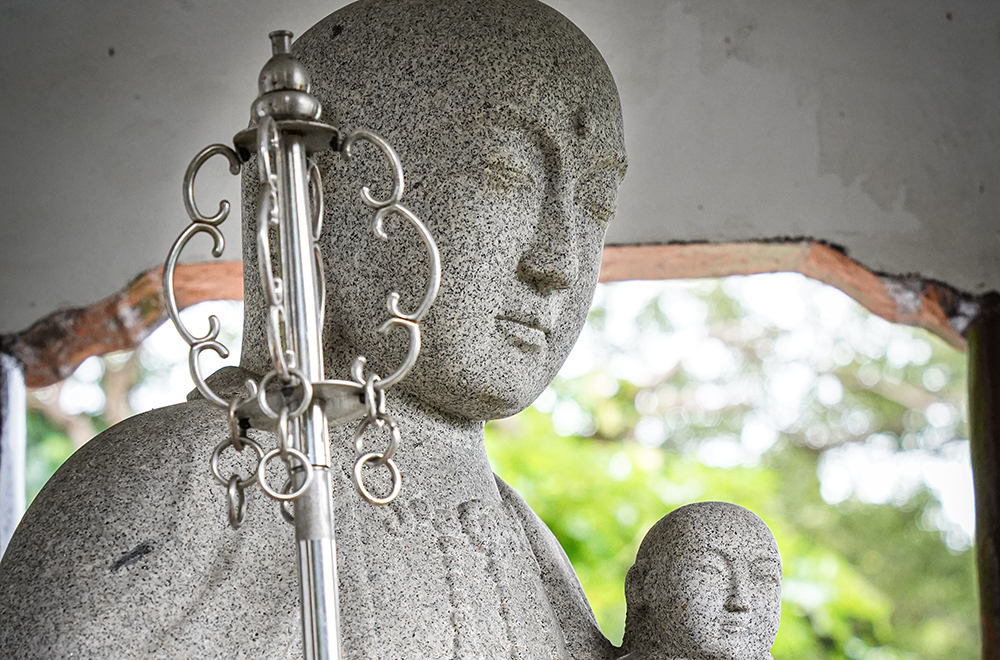 A stone statue of Kṣitigarbha Bodhisattva from the Japanese colonial period.
Formerly known as Tiezhenyuan, Puji Temple was established during the Japanese colonial period as a religious and resting place for employees of the Taiwan Governor-General’s Railway Bureau. In 1998, it was designated as a municipal historic site, known for its tranquil and serene atmosphere.
The temple enshrines the “Hot Spring Guanyin” (Tangshou Guanyin Bodhisattva), a symbol of compassion and mercy deeply venerated by devotees. Its architecture features a harmonious blend of Japanese and Chinese styles, with graceful eaves and timber beams, while its lush garden exudes a quiet Zen charm.
During the Lunar New Year and Guanyin’s birthday, the temple hosts a variety of rituals and blessings that draw visitors seeking peace and well-being. Puji Temple is not only a spiritual sanctuary but also a calming retreat where one can find balance and stillness amid the fast-paced city life.
The temple enshrines the “Hot Spring Guanyin” (Tangshou Guanyin Bodhisattva), a symbol of compassion and mercy deeply venerated by devotees. Its architecture features a harmonious blend of Japanese and Chinese styles, with graceful eaves and timber beams, while its lush garden exudes a quiet Zen charm.
During the Lunar New Year and Guanyin’s birthday, the temple hosts a variety of rituals and blessings that draw visitors seeking peace and well-being. Puji Temple is not only a spiritual sanctuary but also a calming retreat where one can find balance and stillness amid the fast-paced city life.
Surrounding attractions Facebook
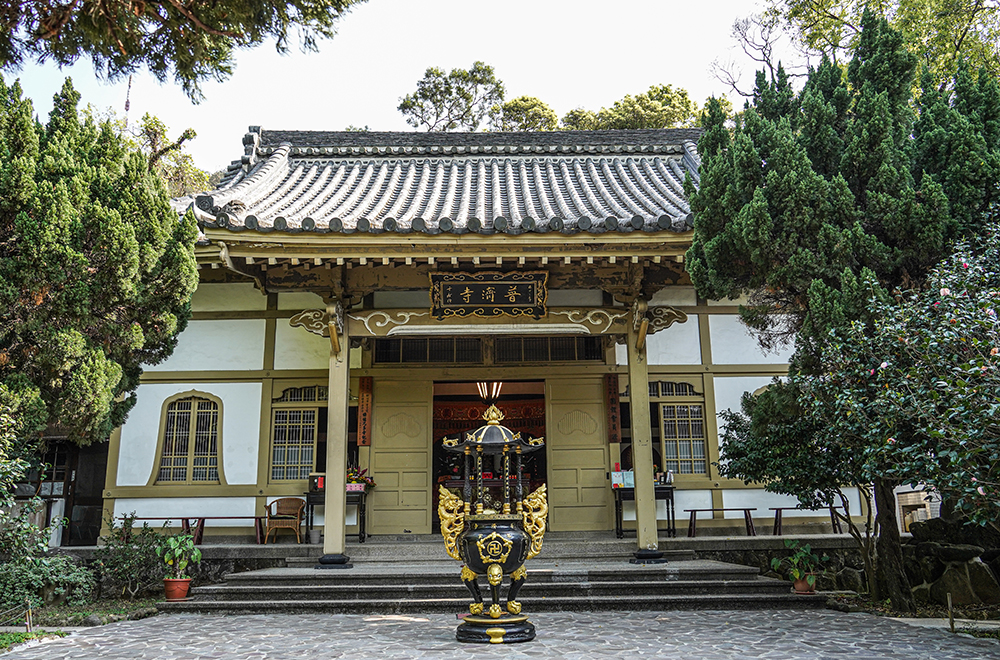 Puji Temple, once Tiezhenyuan, keeps its Japanese-era style.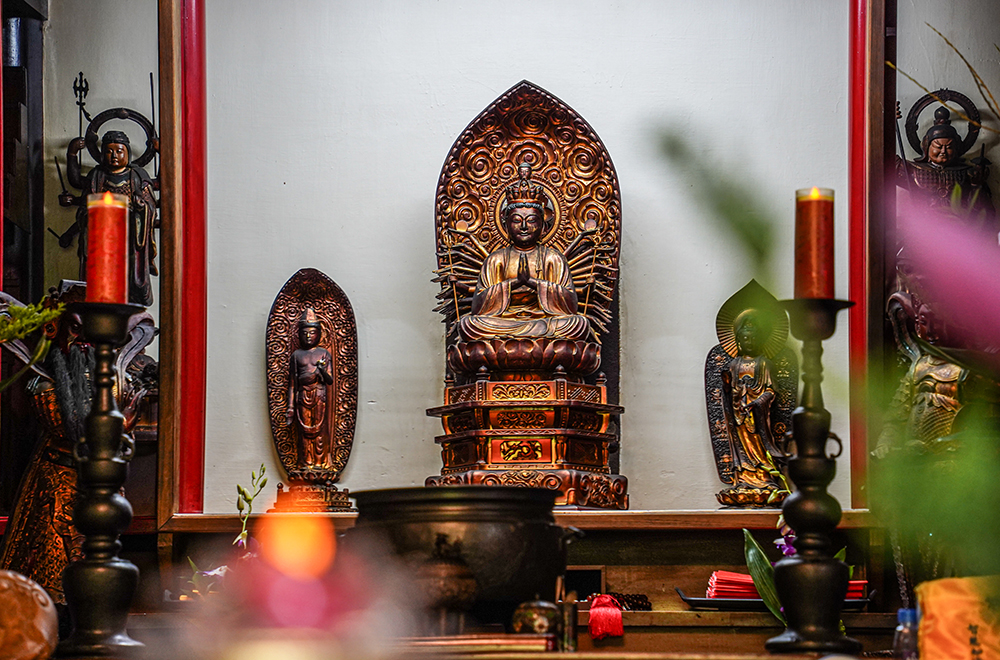
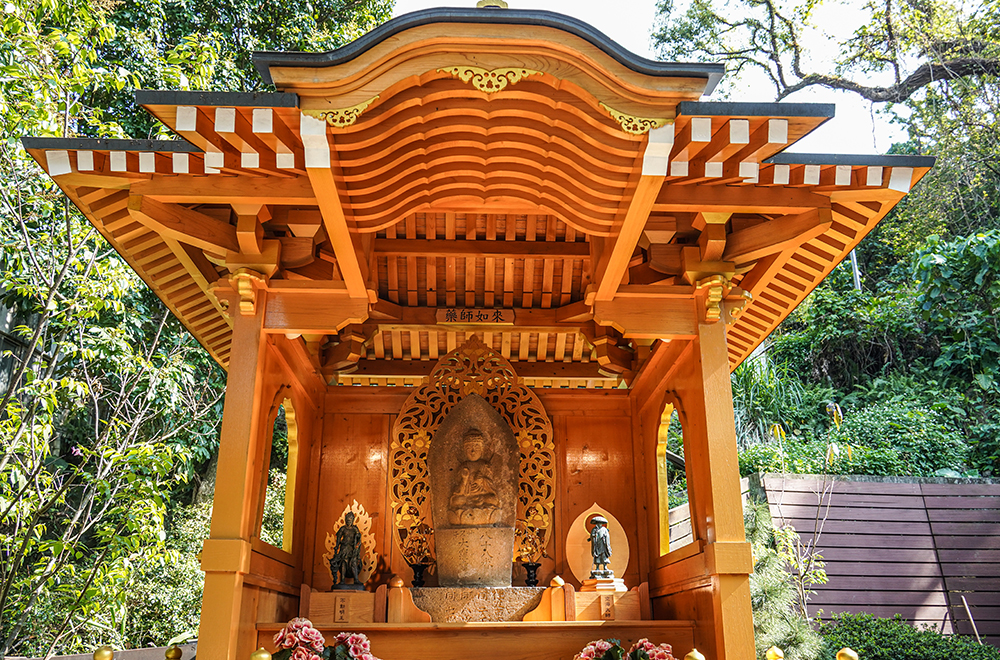 In recent years, a Japanese-style Buddhist altar was restored, exuding solemn elegance.
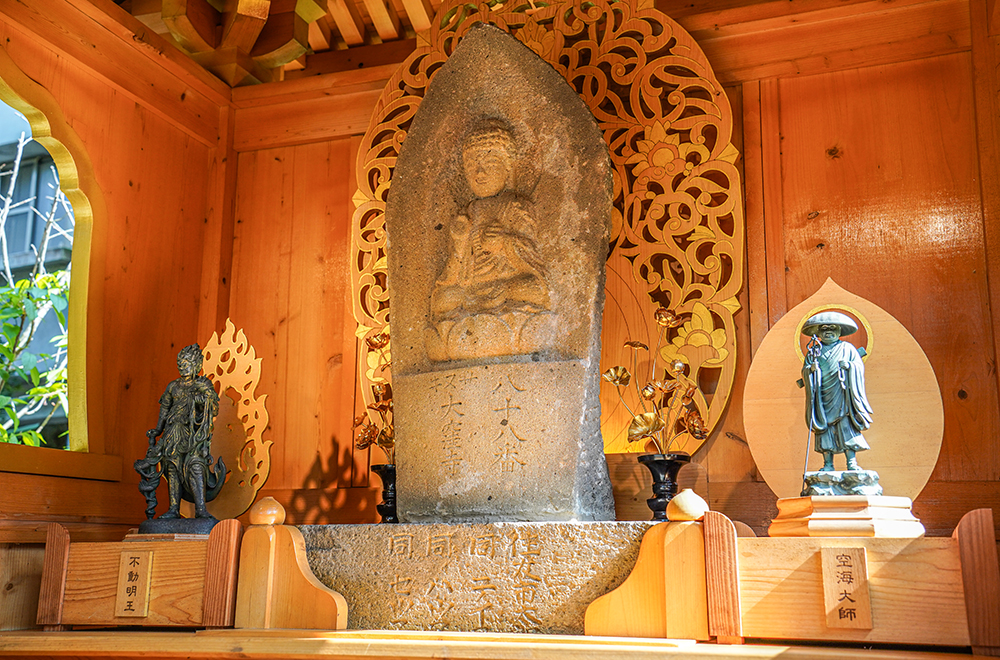 In recent years, worship of the 88th Yakushi Nyorai (Medicine Buddha) from the Taipei Shikoku Pilgrimage of the Japanese era has been revived.
Fuhsing Temple, Shipai
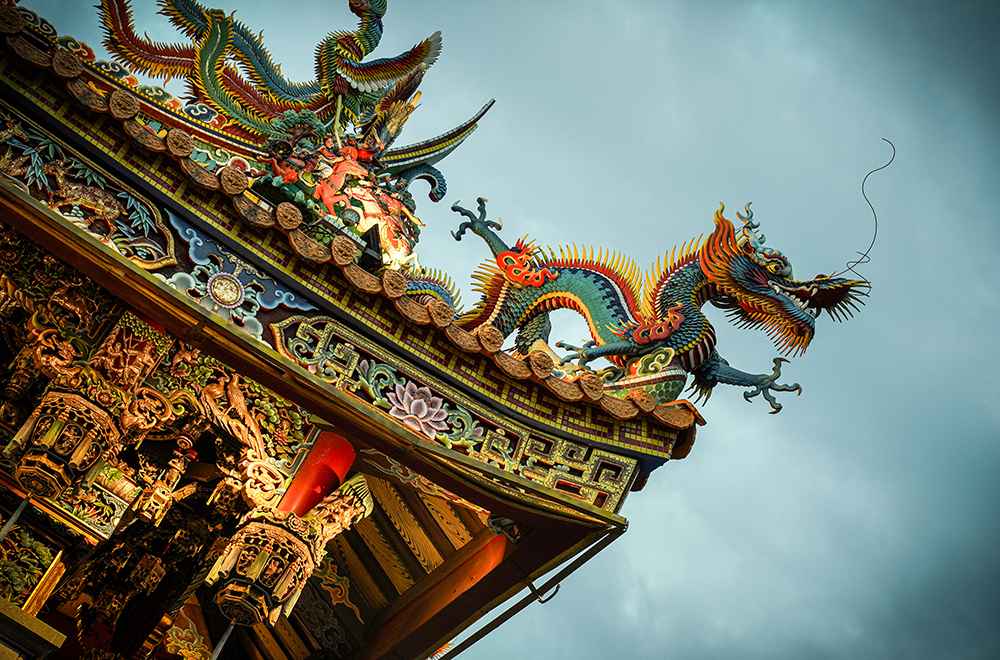
Fuhsing Temple, Shipai, dedicated to Fude Zhengshen—the Earth God—is wrapped in the gentle scent of sandalwood, reflecting its deep and inseparable connection with the life of the local community.
Fude Zhengshen, known popularly as Tudi Gong (the Earth God), is a guardian deity of the land, especially revered in Taiwan’s agricultural villages. As the saying goes, “Where there is a village, there is a shrine to the Earth God.” In Shipai, Fuhsing Temple serves as the local spiritual protector, blessing the community with harmony and bountiful harvests.
Stone lions guard the temple’s entrance, while its ornate interior features richly carved beams and painted rafters. On the 2nd and 16th days of each lunar month, the temple is bustling with worshippers—offering not only their prayers, but also reaffirming the cultural bonds and shared spirit of the neighborhood. Fuhsing Temple stands as both a place of worship and a cherished landmark of local unity.
Fude Zhengshen, known popularly as Tudi Gong (the Earth God), is a guardian deity of the land, especially revered in Taiwan’s agricultural villages. As the saying goes, “Where there is a village, there is a shrine to the Earth God.” In Shipai, Fuhsing Temple serves as the local spiritual protector, blessing the community with harmony and bountiful harvests.
Stone lions guard the temple’s entrance, while its ornate interior features richly carved beams and painted rafters. On the 2nd and 16th days of each lunar month, the temple is bustling with worshippers—offering not only their prayers, but also reaffirming the cultural bonds and shared spirit of the neighborhood. Fuhsing Temple stands as both a place of worship and a cherished landmark of local unity.
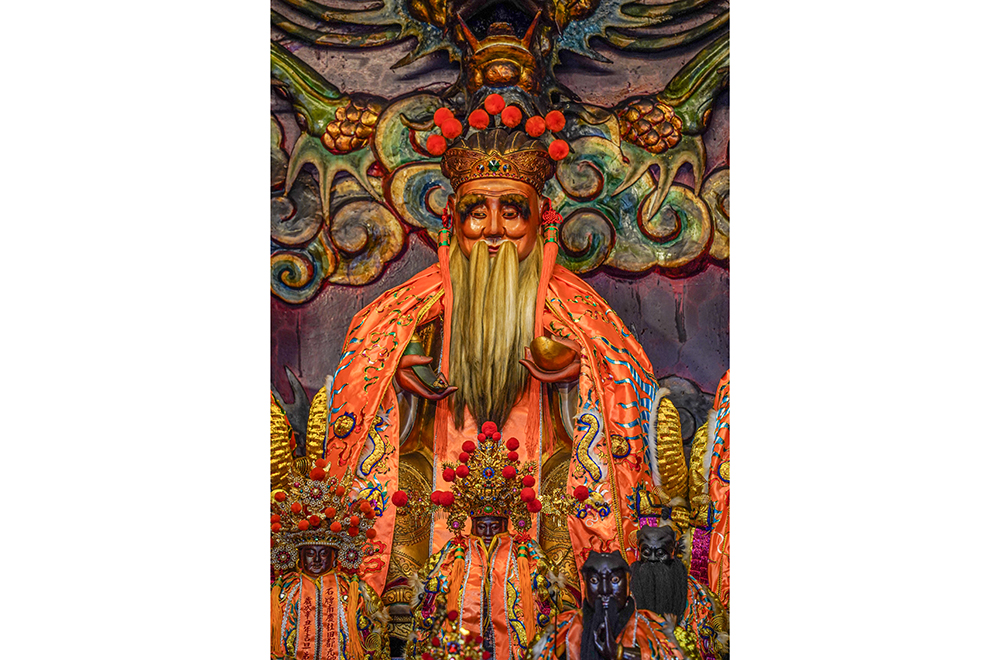 Fuhsing Temple, Shipai, dedicated to the Earth God (Fude Zhengshen), is the spiritual center of Shipai.
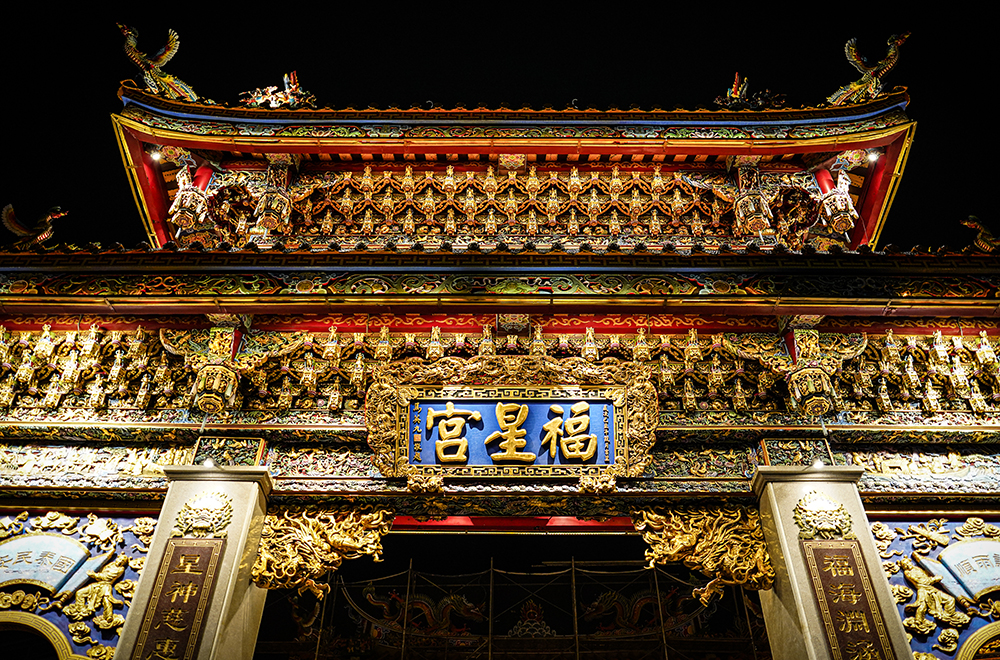 At night, the lit archway of Fuhsing Temple, Shipai, exudes a special charm.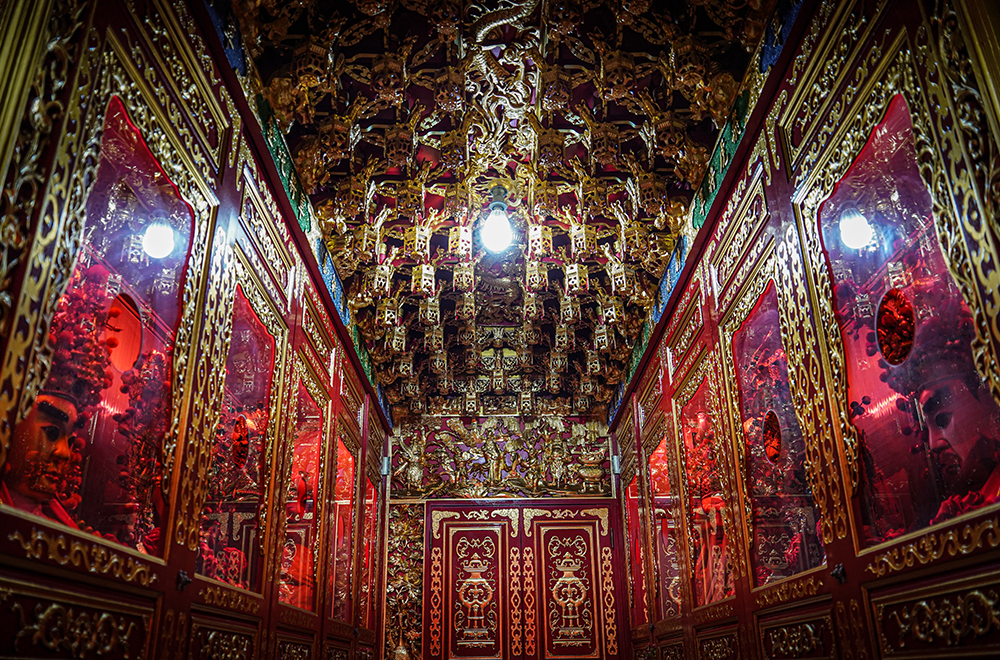
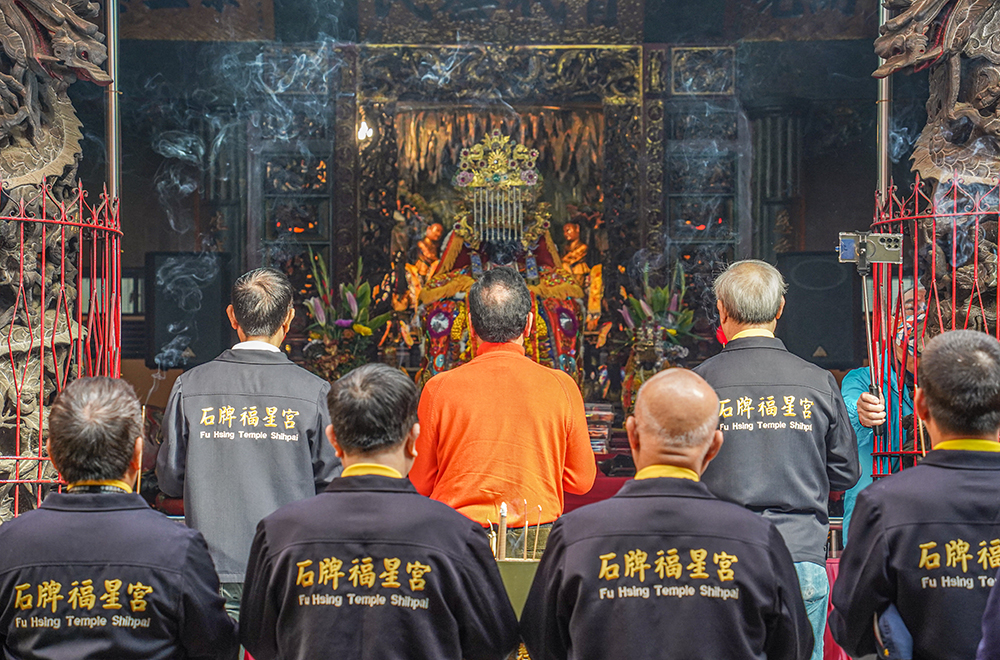 Fuhsing Temple, Shipai joins the city’s heritage event by inviting Guandu’s Second Mazu to Cisheng Temple.
Nung Chan Monastery
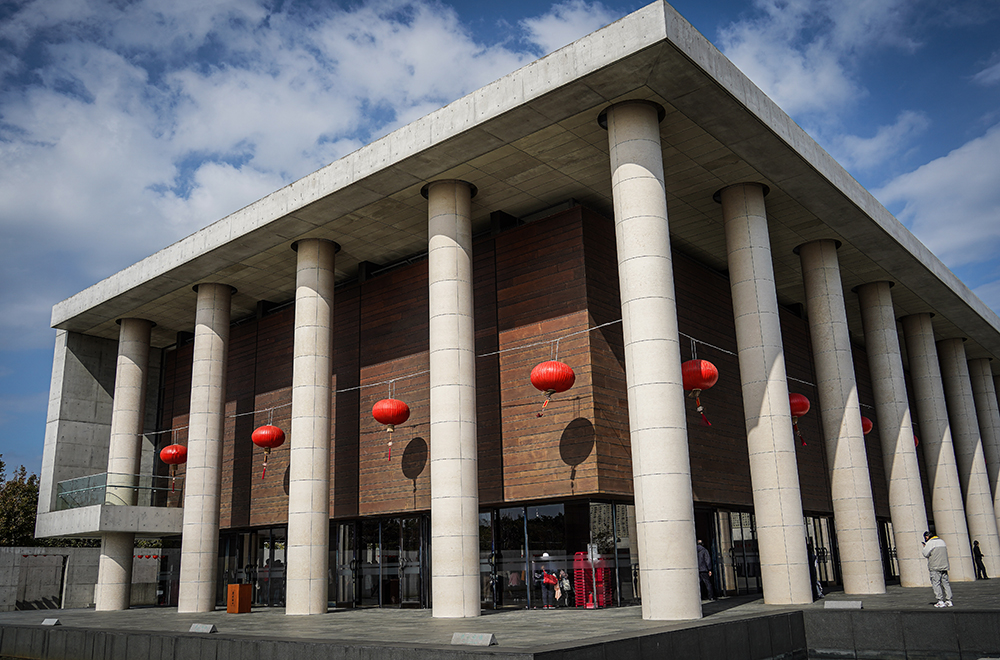
Nung Chan Monastery is the spiritual cradle of Dharma Drum Mountain (DDM), founded by Master Dongchu, who modeled its principles after the "Chan monastery system" of Tang Dynasty Master Baizhang. With a vision that disciples should sustain themselves through both farming and spiritual practice, he named it “Nong Chan”—meaning "Farm and Zen." The temple’s self-reliant spirit was later carried on and expanded by Master Sheng Yen.
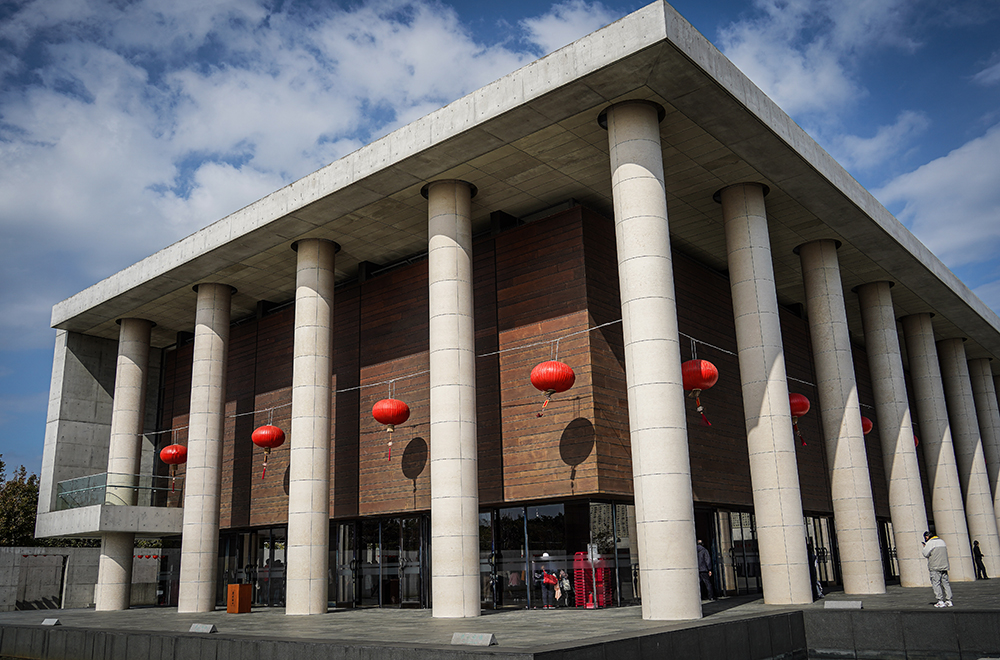
The “Gate of Compassion” marks the entrance to the main hall, while the Shuiyue Dojo—symbolizing “a moon in water, a flower in the sky”—is a harmonious fusion of Buddhist philosophy and architectural design. Constructed largely with exposed concrete, the space evokes a deeply meditative ambiance ideal for Zen practice.
Guided by its mission to “uplift the character of humanity and build a pure land on earth,” Nung Chan Monastery promotes Zen meditation and spiritual environmentalism. Its calm, serene atmosphere offers a refuge from the city’s hustle, inviting visitors to rediscover simplicity and peace.
The temple regularly holds seated meditation, sutra study sessions, and Dharma talks. During major Buddhist festivals, solemn and serene ceremonies inspire deep reflection on compassion and wisdom. Nung Chan Monastery is not only a place for spiritual cultivation—it is a sanctuary for urban dwellers to slow down, transform, and reconnect with their inner selves.
The “Gate of Compassion” marks the entrance to the main hall, while the Shuiyue Dojo—symbolizing “a moon in water, a flower in the sky”—is a harmonious fusion of Buddhist philosophy and architectural design. Constructed largely with exposed concrete, the space evokes a deeply meditative ambiance ideal for Zen practice.
Guided by its mission to “uplift the character of humanity and build a pure land on earth,” Nung Chan Monastery promotes Zen meditation and spiritual environmentalism. Its calm, serene atmosphere offers a refuge from the city’s hustle, inviting visitors to rediscover simplicity and peace.
The temple regularly holds seated meditation, sutra study sessions, and Dharma talks. During major Buddhist festivals, solemn and serene ceremonies inspire deep reflection on compassion and wisdom. Nung Chan Monastery is not only a place for spiritual cultivation—it is a sanctuary for urban dwellers to slow down, transform, and reconnect with their inner selves.
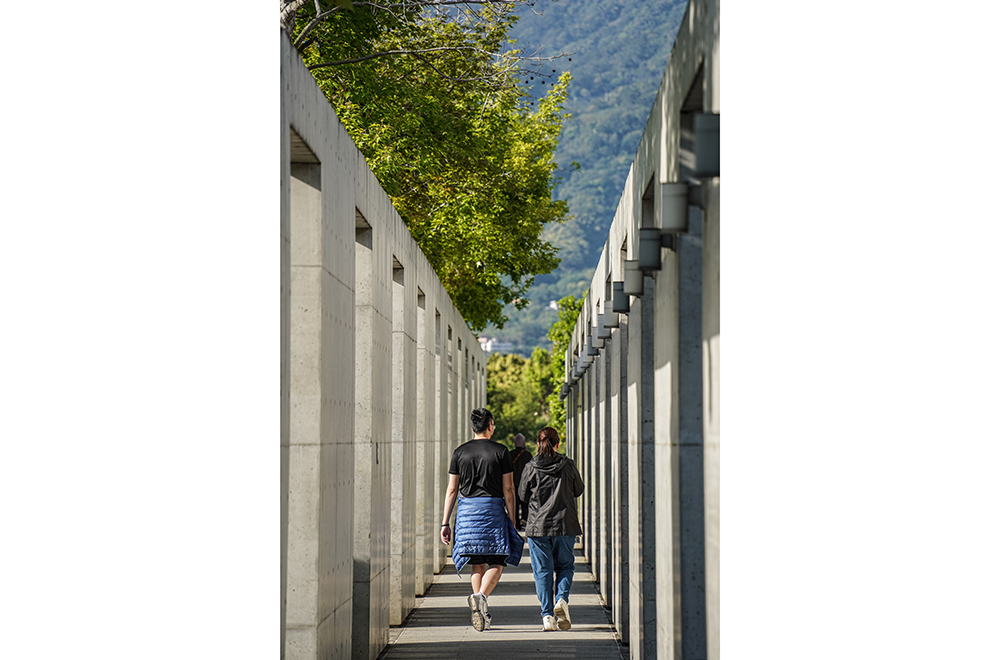
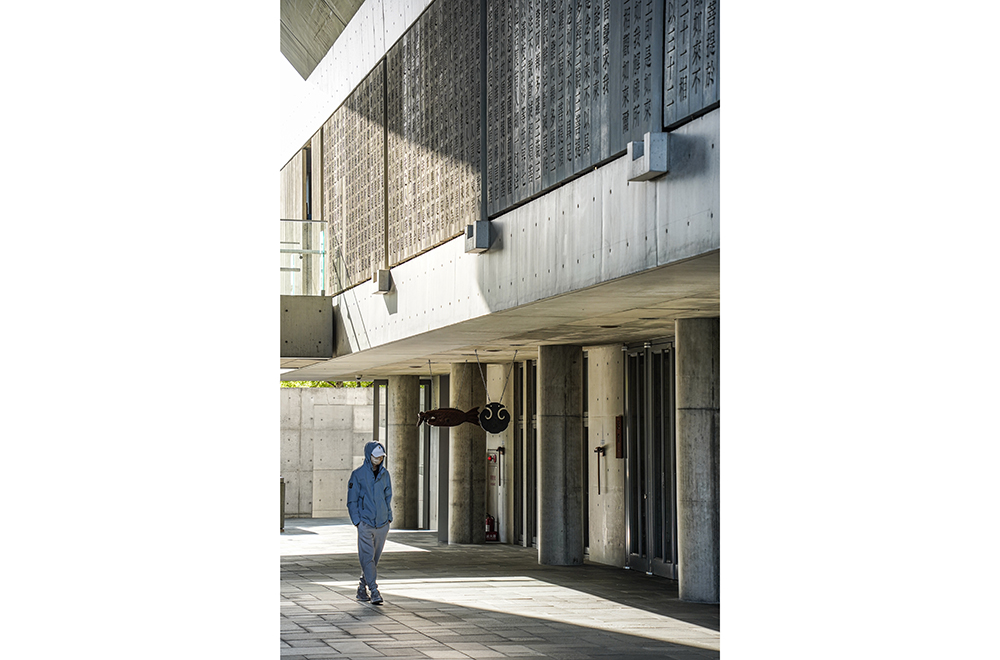 Devotees stroll peacefully through the Shuiyue Dojo at Nung Chan Monastery, immersed in the ambiance of the Dharma.
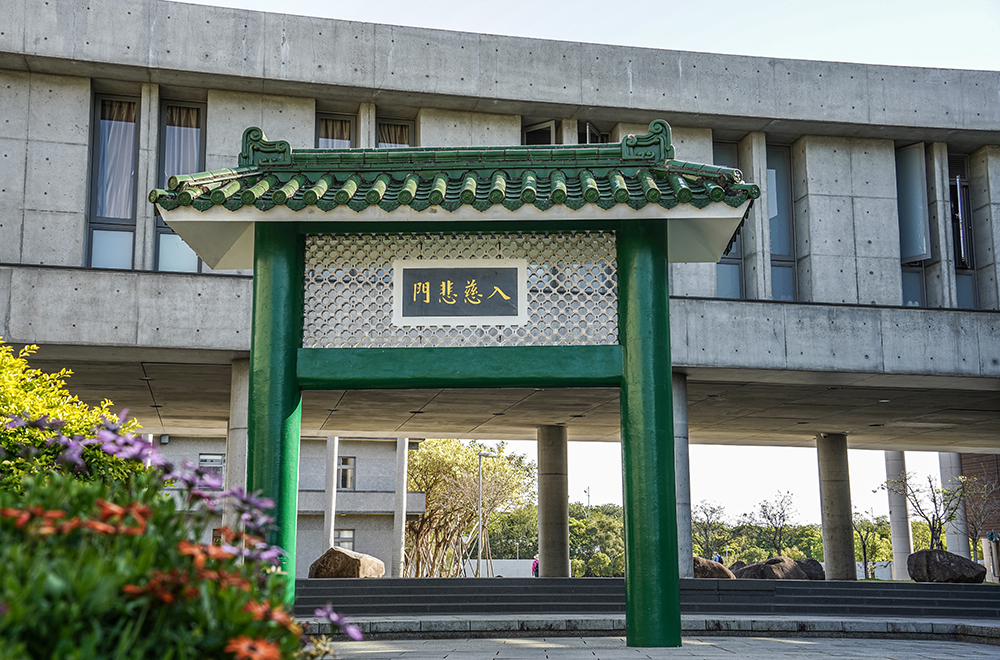 Designated as a historic building of Taipei, the “Gate of Compassion” was the original entrance to Nung Chan Monastery, known for its solemn and elegant design.
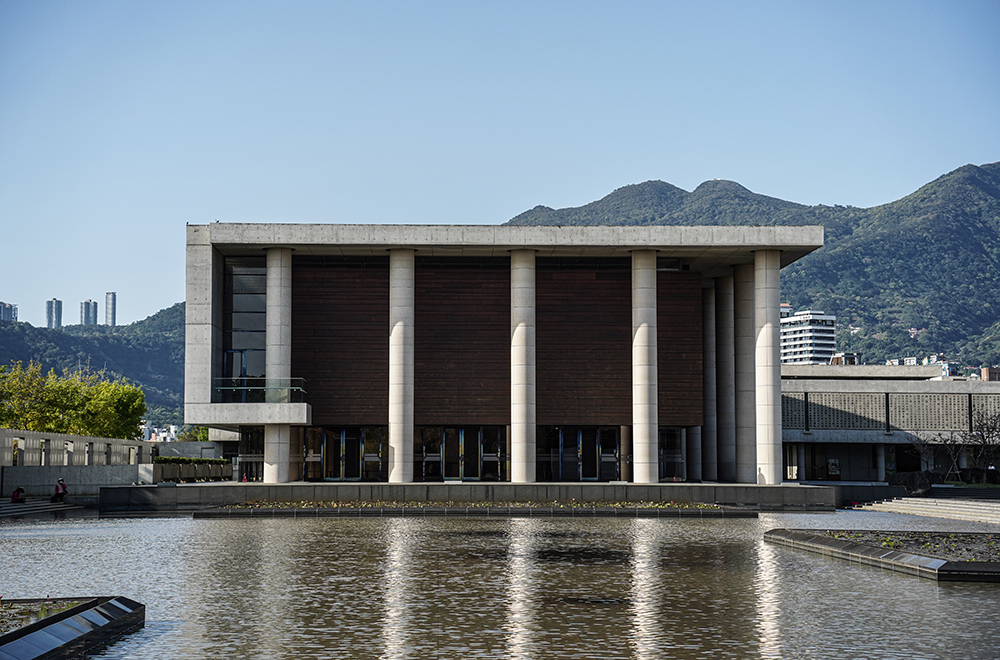 Shuiyue Dojo features minimalist exposed-concrete architecture, reflected in the still pond—silently conveying the Dharma.
Guandu Temple
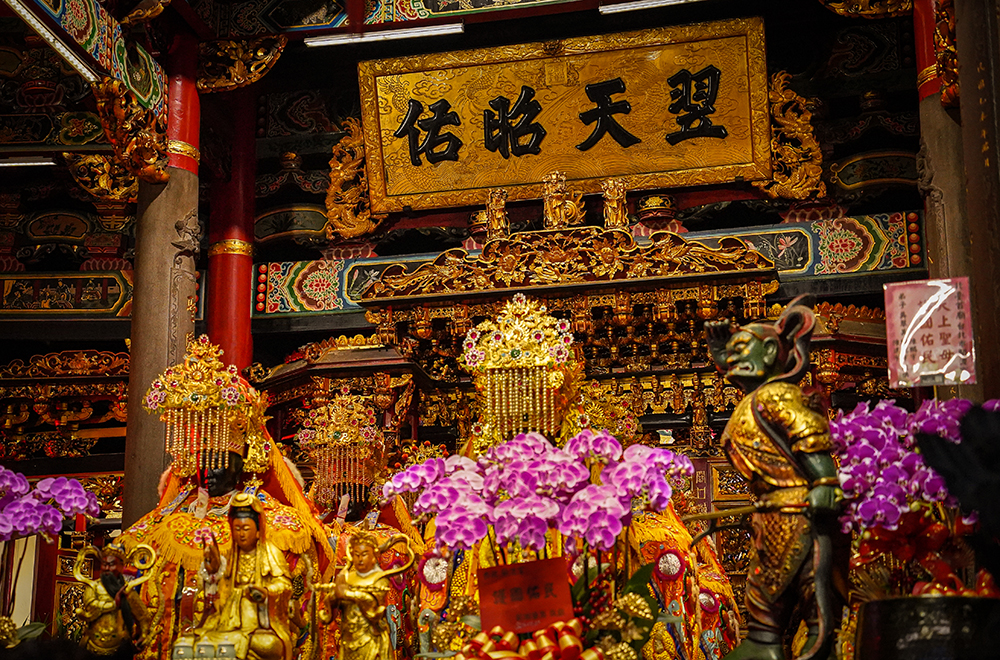 “Welcoming Guandu Mazu” is a Taipei City–designated intangible cultural heritage, with celebrations spanning all of northern Taiwan.
As you step into Guandu Temple, you're greeted by the rich scent of incense and the sweeping presence of the nearby Tamsui River.
Believed to have been founded during the Kangxi era of the Qing Dynasty, Guandu Temple is the oldest and most venerated Mazu temple in northern Taiwan. It is often said, “In the south, there’s Beigang Mazu; in the north, there’s Guandu Mazu.” The temple is dedicated to Mazu, the Heavenly Holy Mother, protector of seafarers and bringer of peace.
Beyond worship, the temple is home to numerous historical relics and stunning examples of traditional temple architecture. Built against a hillside and facing the river, it combines cave shrines and classic temple halls, creating a majestic and mysterious atmosphere. Inside, colorful beams, dragon-wrapped stone columns, and intricate carvings reflect artisans’ deep reverence for the divine.
The annual “Welcoming Guandu Mazu” procession is not only a cherished tradition but also a Taipei City–designated intangible cultural heritage, symbolizing the collective memory and devotion of the community. Today, Guandu Temple remains a vital site for pilgrimage, cultural exploration, and spiritual reflection in northern Taiwan.
Believed to have been founded during the Kangxi era of the Qing Dynasty, Guandu Temple is the oldest and most venerated Mazu temple in northern Taiwan. It is often said, “In the south, there’s Beigang Mazu; in the north, there’s Guandu Mazu.” The temple is dedicated to Mazu, the Heavenly Holy Mother, protector of seafarers and bringer of peace.
Beyond worship, the temple is home to numerous historical relics and stunning examples of traditional temple architecture. Built against a hillside and facing the river, it combines cave shrines and classic temple halls, creating a majestic and mysterious atmosphere. Inside, colorful beams, dragon-wrapped stone columns, and intricate carvings reflect artisans’ deep reverence for the divine.
The annual “Welcoming Guandu Mazu” procession is not only a cherished tradition but also a Taipei City–designated intangible cultural heritage, symbolizing the collective memory and devotion of the community. Today, Guandu Temple remains a vital site for pilgrimage, cultural exploration, and spiritual reflection in northern Taiwan.
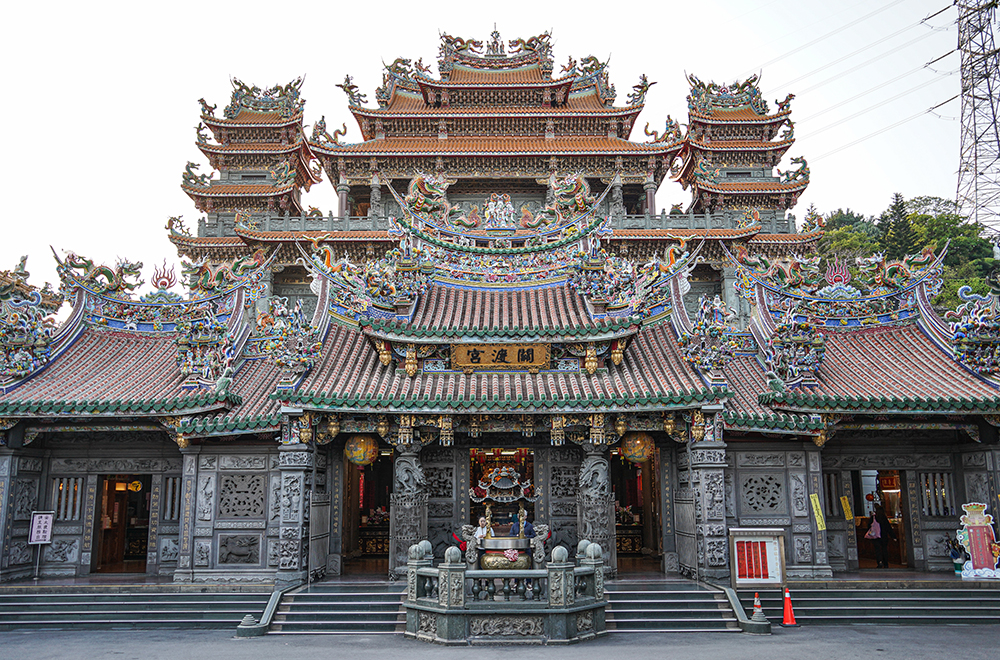 With its long history, Guandu Temple is honored as the first Mazu temple of northern Taiwan.
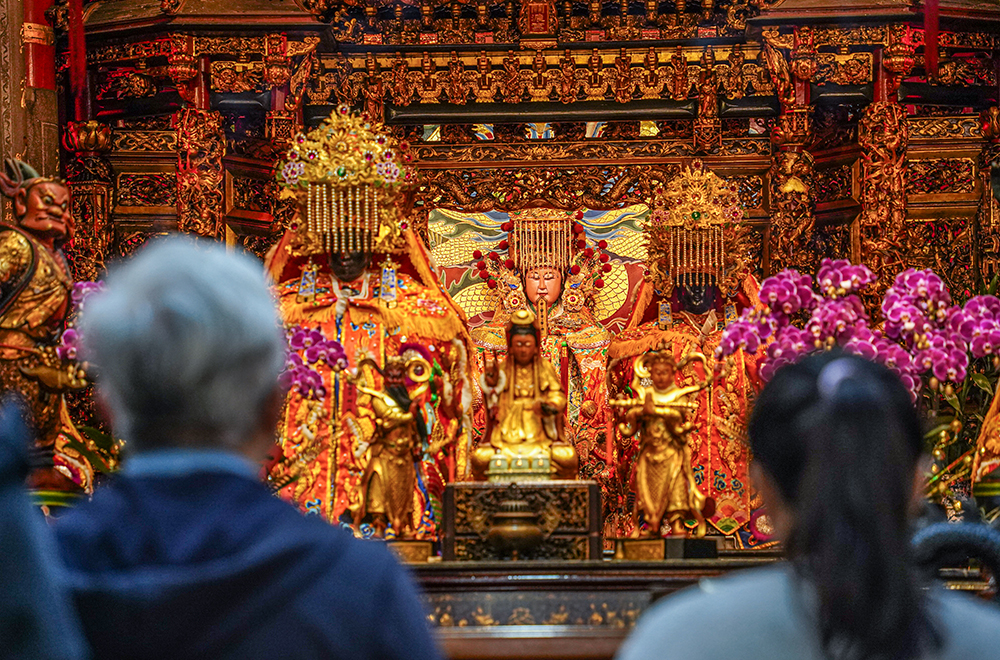 The main hall’s soft-bodied Mazu statue is ceremonially welcomed each year by over a hundred villages across northern Taiwan.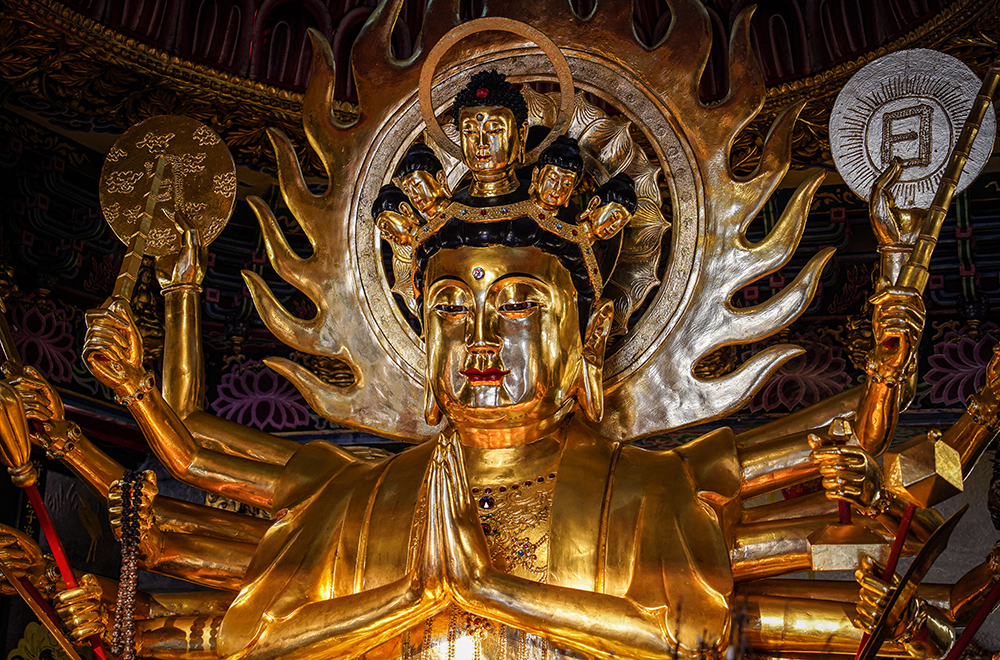
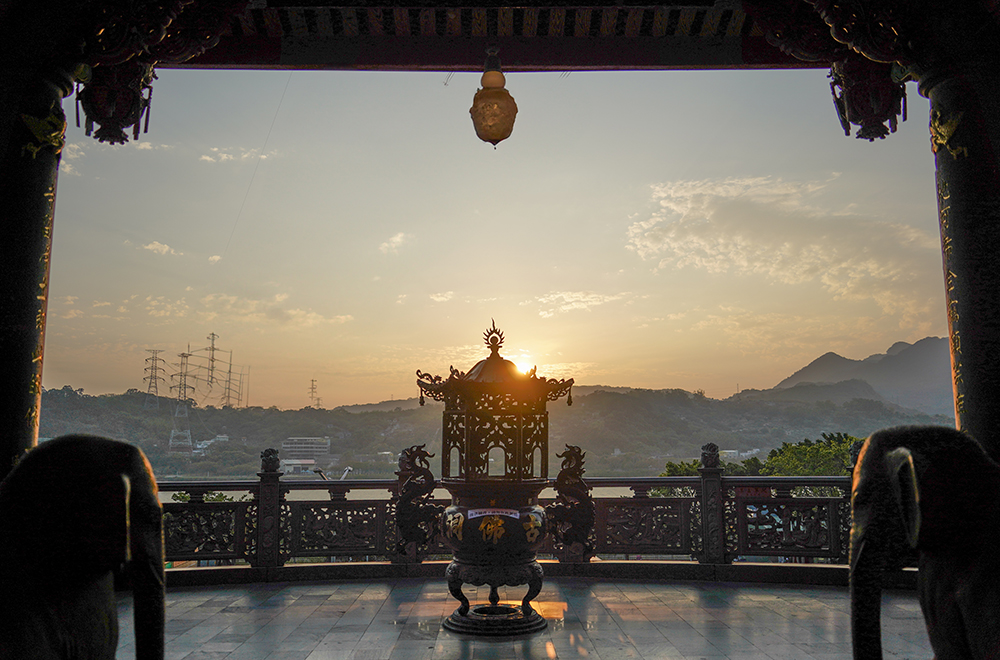 Behind the temple, Old Buddha Cave overlooks Guanyin Mountain and the Tamsui River.